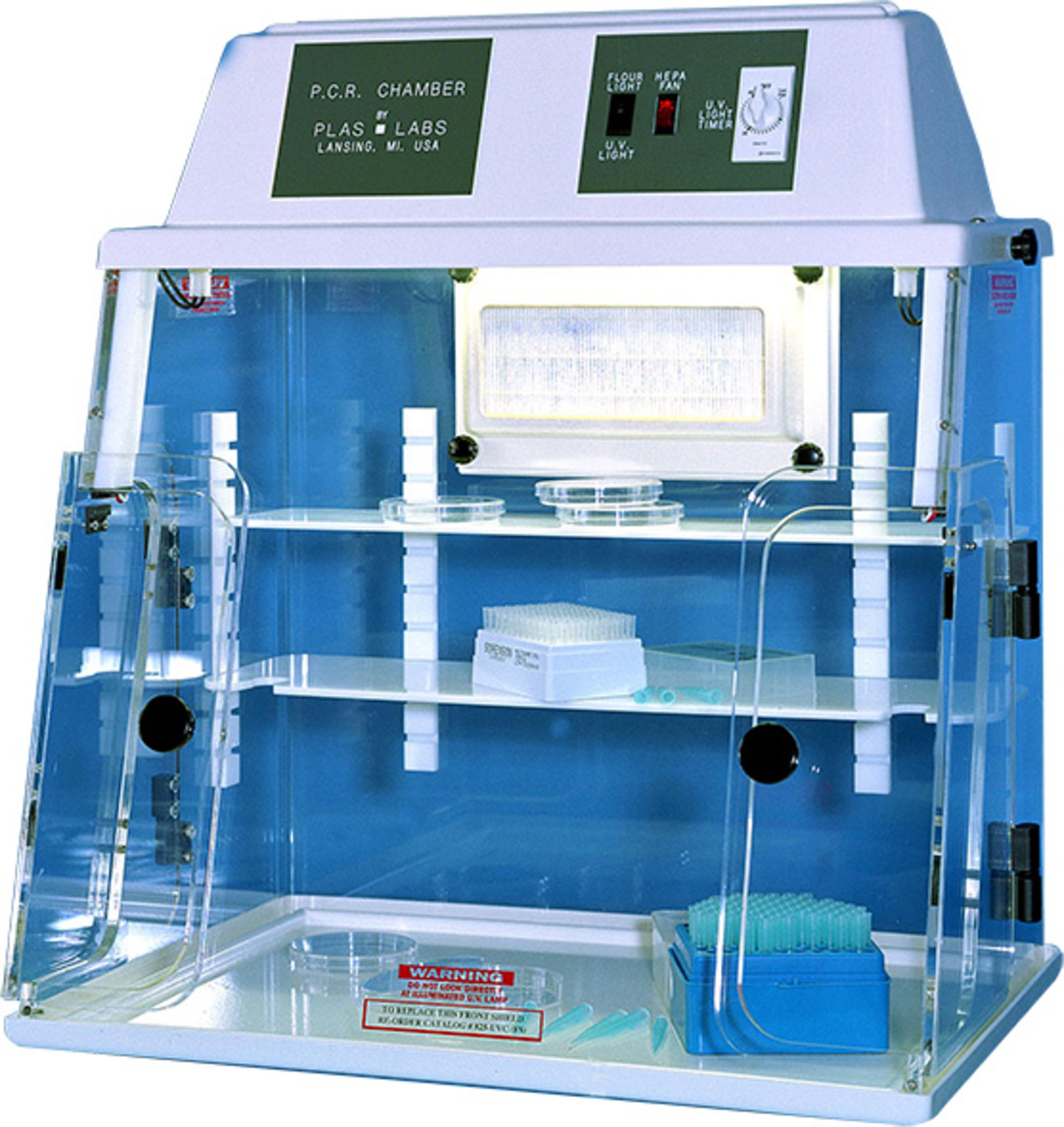
Vacuum Glove Box

Advanced Controlled Environment Systems for Oxygen & Moisture Sensitive applications

Industrial Vacuum Glove Box Overview

Burhani Engineering Technology is a trusted Manufacturer of Vacuum Glove Box systems for laboratory and industrial applications.

As a leading Supplier of Vacuum Glove Box equipment, we provide custom solutions for research facilities.

We are also an Exporter of Vacuum Glove Box systems serving customers across international markets.

Many clients choose us as their preferred Importer and Dealer of Vacuum Glove Box equipment.

Burhani Engineering Technology is a premier global manufacturer of research-grade, industrial-quality Vacuum Glove Boxes. These highly controlled, hermetically sealed containment systems are engineered for researchers and manufacturers who require a precise environment with exceptionally low levels of oxygen and moisture.

By utilizing vacuum cycles to purge unwanted gases and introducing high-purity inert gases (Nitrogen or Argon), our systems provide a state-of-the-art solution for sensitive material handling.
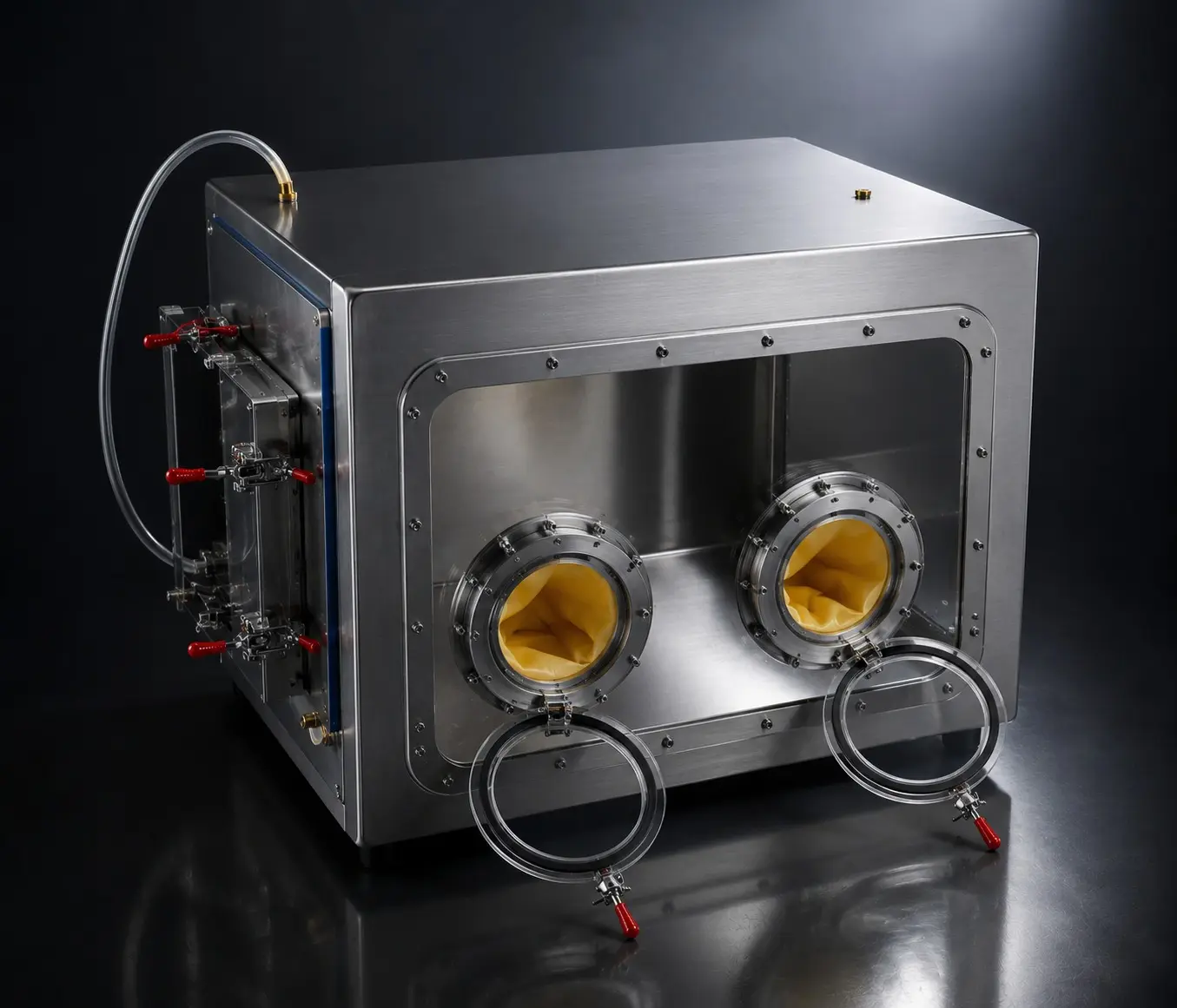
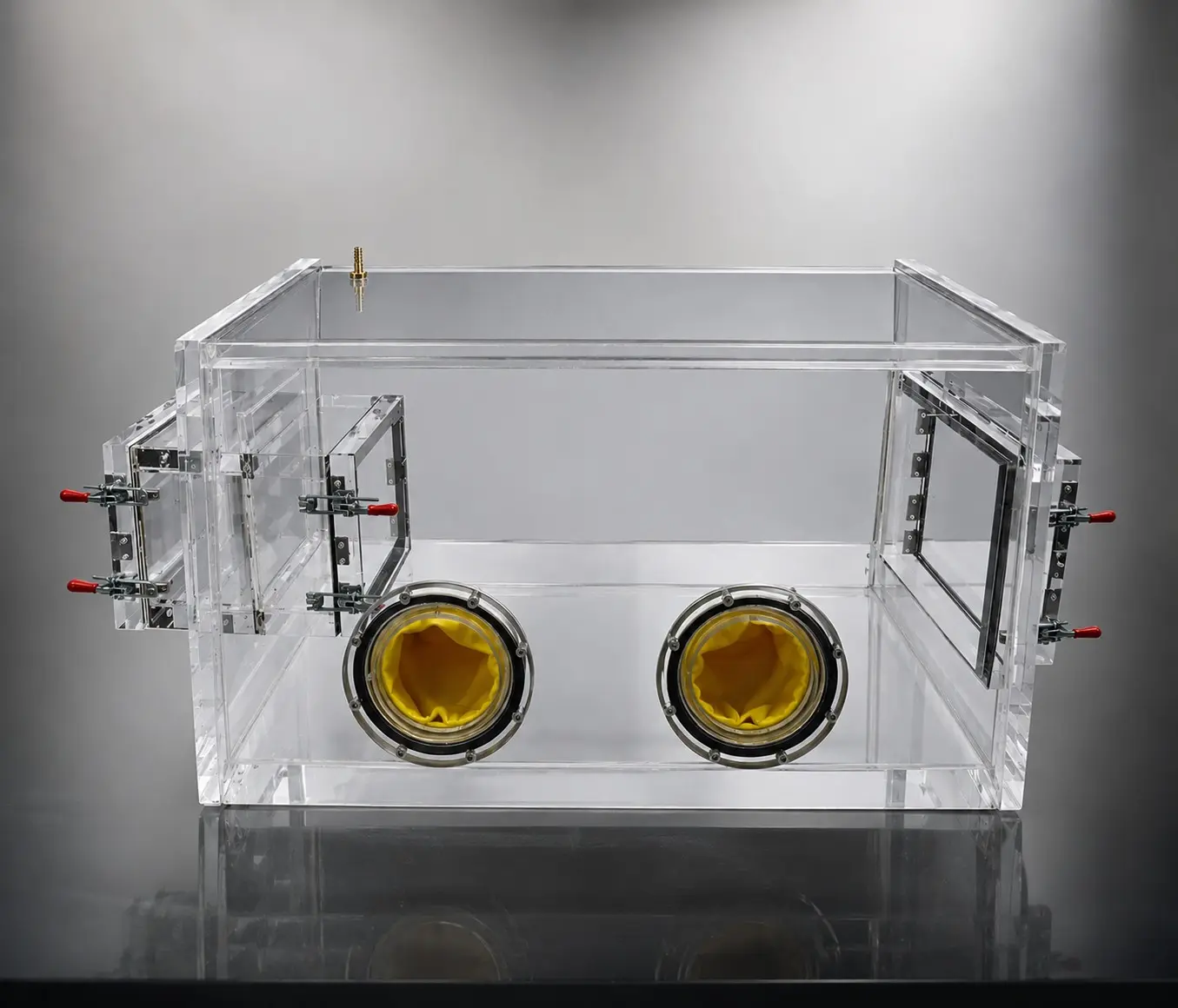
Introduction to Vacuum Glove Boxes

In cutting-edge research and manufacturing, certain processes require absolute control over environmental conditions. A vacuum glove box prevents contamination and oxidation, making it indispensable for Handling air-sensitive reagents, assembling electronics, and advanced material science.

Our systems ensure product quality, operator safety, and research accuracy by maintaining a stable, isolated atmosphere throughout the entire workflow.

Working Principles

  • Airtight Chamber: A precision-engineered enclosure that eliminates atmospheric leakage.
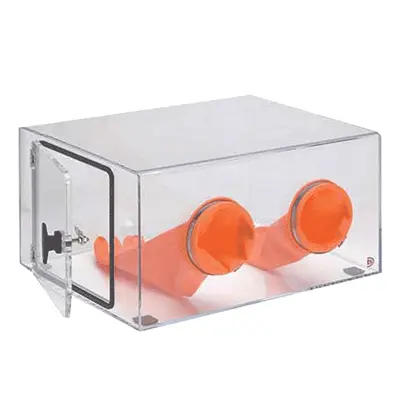
  • Glove Manipulation: Ergonomic portals allow interaction with internal materials without breaking the seal.
  • Vacuum System: Efficiently removes air and moisture from the main chamber and antechambers.
  • Inert Gas Management: Replaces evacuated air with Nitrogen or Argon to create a controlled environment.
  • Pressure Control: Maintains a slight positive or negative pressure as per operational needs.

Technical Specifications

Engineered for precision, our glove boxes meet the most stringent laboratory and industrial standards.

Feature Specification Detail
Construction Options Full Acrylic / Stainless Steel / Mild Steel with Polycarbonate enclosure
Design Type Bench-top and Modular Design with extension facilities
Purity Levels Oxygen and Moisture removed up to less than < 1 ppm
Control System Large 7-inch Touch Screen with PLC Controller
Monitoring Digital display of Oxygen, Moisture, and Vacuum levels
Purification Close-loop recirculation system with purification and regeneration
Leakage Rate Ultra-low leakage rates (< 0.001 vol%/h)
Purge Modes Fast and Slow Purge features available
Antechamber Optional integrated antechamber with sliding material trays

Advanced Sealing

Our unique sealing technology enables industry-leading low leakage rates for maximum safety.

PLC Automation

Intuitive touch-screen interface for real-time monitoring of atmospheric conditions.

Customizable

Modular designs that can be adapted to specific research or industrial footprint needs.

Critical Industry Applications

Lithium Battery R&D
Chemical Research
OLED / PLED Research
Pharmaceutical Research
Electronics Manufacturing
Nanotechnology

Strategic Benefits

  • Material Protection: Prevents oxidation and degradation of sensitive materials.
  • Contamination Prevention: Eliminates particles, moisture, and pollutants.
  • Enhanced Precision: Stable environment for delicate experimental manipulations.
  • Reduced Waste: Maximizes the lifespan and quality of expensive reagents.

Safety & Operational Excellence

Proper management of environmental conditions is critical for system longevity and operator safety.

Strict adherence to inert gas management protocols is essential to maintain the < 1ppm purity levels required for sensitive R&D.

Regular inspection of the chemical-resistant gloves is a mandatory safety step to prevent atmospheric breaches.

Utilizing the antechamber airlock system ensures material transfer without compromising the main chamber's atmosphere.

Custom Manufacturing Capability

Burhani Engineering Technology offers worldwide researchers state-of-the-art glovebox models that can be custom-built as per your unique requirements.

Our all-weld stainless steel design minimizes points of leakage and allows for an easy, fast initial setup.

Request Custom Design

What is a Vacuum Glove Box?

A Vacuum Glove Box (also referred to as an Inert Atmosphere Glove Box or Controlled Atmosphere Chamber) is a hermetically sealed laboratory and industrial containment system designed to isolate sensitive processes from the surrounding ambient atmosphere.

By establishing a controlled physical boundary, these enclosures allow operators to manipulate materials that react dynamically with oxygen, water vapor, or atmospheric particulates. Purity levels are typically brought down to sub-1 ppm (parts per million) concentration zones for both oxygen ($O_2$) and moisture ($H_2O$).

Controlled Atmosphere & Purge Technology

The primary mechanism for achieving an ultra-pure environment inside a glove box is the displacement of standard air. This is accomplished using a multi-step vacuum-purge process or a continuous inert gas purge. The air inside the chamber is evacuated via a rotary vane or dry scroll vacuum pump down to a deep vacuum range (typically $10^{-2}$ to $10^{-3}$ mbar). Once evacuated, the chamber is backfilled with a high-purity inert gas such as Nitrogen, Argon, or Helium.

Inert Gas Selection Criteria
  • Nitrogen ($N_2$): The most common and cost-effective gas choice for general chemical handling, powder processing, and organic synthesis. However, it cannot be used for lithium battery research, as lithium reacts with nitrogen to form lithium nitride ($Li_3N$).
  • Argon ($Ar$): An outstanding heavier-than-air noble gas that is completely inert. It is the absolute standard for Lithium-ion battery R&D, titanium welding, and active metal processing.
  • Helium ($He$): Frequently utilized in aerospace and specialized physical research requiring high thermal conductivity and low leak detection test capabilities.

Key Features of BET Vacuum Glove Boxes

Expertly built containment systems engineered for safety, reliability, and precision control.

Heavy-Duty Construction

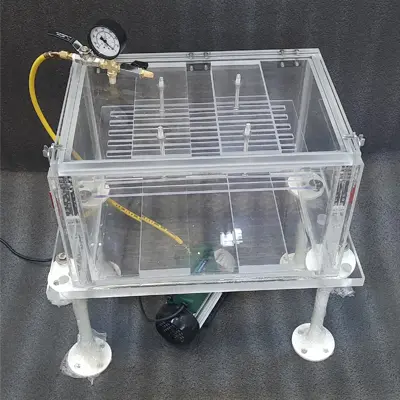
Available in high-grade Stainless Steel SS304 or SS316L for chemical resistance and vacuum structural integrity, as well as clear heavy-gauge Acrylic configurations for full visibility.

Deep Vacuum Capability

Chambers are certified to withstand negative pressure limits down to $10^{-3}$ mbar, allowing fast and efficient evacuation-backfill cycles without structural distortion.

Integrated Gas Purification

Closed-loop gas circulation paired with a catalyst column constantly removes trace oxygen and moisture to maintain purity levels under 1 ppm.

PLC & Touch Screen Automation

Siemens or Delta PLC control units track internal pressure, purge cycles, gas regeneration, and trigger safety interlocks dynamically.

Real-time Purity Monitoring

Integrated electro-chemical Oxygen and capacitive Moisture sensors provide accurate, continuous ppm tracking of the internal atmosphere.

Integrated Airlocks

Standard cylindrical or square antechambers with dual interlocking doors and independent purge controls enable safe, contamination-free sample transfer.

Engineering Specifications Table

Review the comprehensive mechanical and environmental parameters of our standardized models.

Technical Parameter Stainless Steel Series (SS-GBox) Acrylic Series (AC-GBox)
Chamber Material SS304, SS316, or SS316L (Acid & corrosion resistant) Optically clear PMMA Acrylic (20mm - 25mm thickness)
Internal Atmosphere Argon, Nitrogen, Helium (High-purity grade) Argon or Nitrogen (Low pressure purge only)
Vacuum Level Up to $10^{-3}$ mbar (Antechamber and Main Chamber) Mainly used for gas purge (Antechamber vacuum up to $10^{-1}$ mbar)
Oβ‚‚ & Hβ‚‚O Purity < 1 ppm (with active gas purification loop) < 100 ppm (via continuous purge methods)
Glove Port Sleeves High-resistance Butyl, Hypalon, or Neoprene gloves Hypalon or Nitrile chemical-resistant gloves
Chamber Leak Rate < 0.05 vol%/h (verified by helium mass spec) < 0.1 vol%/h (verified by pressure drop test)
Airlock Transfer Chamber 380mm Diameter x 600mm Length (Independent vacuum gauge) 150mm Diameter x 300mm Length (Standard acrylic tube)
System Voltage 220V/110V AC, 50Hz/60Hz, Single Phase Not required (Unless optional LED/Sensor active)

Gas Purification & Catalyst Technology

To achieve and sustain a pristine environment where oxygen and moisture concentrations remain below 1 ppm, the glove box is connected to a closed-loop gas purification system. This loop constantly circulates the inert gas inside the main chamber through a purification column.

Purity Control Mechanisms
  • Oxygen Removal: A highly active copper catalyst bed reacts with oxygen molecules, converting them into copper oxide and trapping them within the column.
  • Moisture Absorption: A synthetic molecular sieve column adsorbs water molecules from the circulating gas flow.
  • Closed-Loop Circulation: High-efficiency blower fans push the gas through the column and return clean gas back into the chamber in a continuous cycle.
Catalyst Column Regeneration Process

Over time, the purification catalyst bed becomes saturated with trapped molecules. The system features an automated Regeneration Program executed through the PLC touch screen:

  1. The column is isolated from the main chamber.
  2. A regeneration gas mixture (typically 95% Nitrogen/Argon and 5% Hydrogen) is introduced.
  3. The column is heated to approximately 200Β°C–250Β°C.
  4. Hydrogen reacts with copper oxide to form water vapor, which is vented out along with the moisture.
  5. The column is cooled down, evacuated, and put back into the circulation loop.

Targeted Industry Applications

BET glove boxes are used across critical global industries for sensitive processes.

Battery Research

Provides a pure Argon environment to handle metallic lithium and sodium anode materials without oxidation during coin-cell, pouch-cell, and solid-state battery assembly.

Semiconductor & OLED

Protects wafer processing, OLED pixel encapsulation, MEMS assembly, and microelectronics from ambient humidity and dust particles.

Pharmaceutical & API

Designed for aseptic handling of Active Pharmaceutical Ingredients (APIs), sterile compound processing, and containing hazardous materials.

Chemical Synthesis

Indispensable for organometallic synthesis, handling pyrophoric metals, and storing air-sensitive reagents safely.

Additive Manufacturing

Ensures safe handling, sieving, and recycling of reactive metal powders (Titanium, Aluminum) for high-grade industrial 3D printing.

Perovskite Solar Research

Offers clean conditions for thin-film spin coating, solar cell deposition, and evaluation of photovoltaic materials.

Available Product Variants

Explore our wide array of glove box types tailored to unique budgets and applications.

Standard Stainless Steel Glove Box

A rugged, general-purpose SS304 glove box utilizing vacuum-backfill purge for basic air-sensitive operations.

High Vacuum Glove Box

Reinforced chamber design suited for deep vacuum operations below $10^{-3}$ mbar, matching physical research specs.

Gas Purification Glove Box

Equipped with active copper catalyst and molecular sieve towers for long-term sub-1 ppm Oβ‚‚ & Hβ‚‚O atmosphere control.

Acrylic Vacuum Glove Box

Cost-effective PMMA chamber offering 360-degree clarity, suitable for academic teaching and low-purity work.

Mini Glove Box

A compact, space-saving design suitable for small-scale material transfer and space-restricted labs.

Anaerobic Glove Box

Specialized configuration designed to eliminate oxygen for microbiology research and anaerobic bacterial cultivation.

Advanced Airlock Chamber System

An airlock (or antechamber) is a crucial interface that allows samples and tools to pass in and out of the main chamber without exposing the ultra-pure internal atmosphere to external ambient air.

Operational Steps for Material Transfer
  1. Loading: Open the outer door of the airlock, place materials inside, and secure the outer door seal.
  2. Evacuation: Evacuate the airlock using the auxiliary vacuum valve down to target levels.
  3. Refilling: Backfill the airlock with inert gas from the main chamber line.
  4. Repeat: Perform at least 3 vacuum-refill purge cycles to ensure all oxygen and moisture are removed from the sample surfaces.
  5. Transfer: Open the inner sliding door from inside the glove box, pull the transfer tray into the main chamber, retrieve items, and close the inner door.
Antechamber Core Specifications
  • Type: Cylindrical (Standard) or Custom Square.
  • Vacuum Tolerance: Down to $10^{-2}$ mbar.
  • Door Mechanism: Swivel-type quick-clamp doors with silicone o-rings.
  • Sliding Tray: Standard Stainless Steel SS304 tray with smooth linear rails.
  • Purge System: Manual three-way ball valves or automated solenoid PLC purge valves.

Why Choose Burhani Engineering Technology?

As a global leader in precision vacuum and containment engineering, we are committed to delivering systems that meet the highest standards of reliability.

Custom Engineering

We don't just sell off-the-shelf boxes. Our engineering team designs custom glove configurations, special chamber dimensions, and integrated ovens or feedthroughs to fit your precise workflow.

Rigorous Quality Control

Every glovebox undergoes pressure decay tests and Helium leak testing to ensure hermetic sealing before packaging and dispatch.

Global Delivery & Support

We support installation, calibration, and provide after-sales assistance worldwide, ensuring your laboratory maintains peak uptime.

Maintenance & Service Guide

Regular maintenance of your vacuum glove box is essential for operator safety and maintaining consistent sub-1 ppm atmospheric purity. Follow this simple schedule:

1. Glove Integrity Inspection

Inspect the butyl/Hypalon gloves daily for micro-tears, punctures, or chemical degradation. Conduct regular pressure-leak checks on the ports.

2. Vacuum Pump Care

Monitor oil levels in rotary vane pumps weekly. Change oil every 3–6 months depending on usage, or verify dry scroll pump seals annually.

3. Catalyst Regeneration

Regenerate the copper catalyst and molecular sieve columns if Oβ‚‚ and Hβ‚‚O levels remain above 1 ppm despite continuous loop circulation.

Frequently Asked Questions

Find answers to common questions about selecting, operating, and maintaining vacuum glove boxes.

A vacuum glove box is an airtight chamber that allows operators to manipulate sensitive materials under a controlled, inert atmosphere (such as Argon or Nitrogen). It works by evacuating the air using a vacuum pump and backfilling the chamber with high-purity inert gas.

A fume hood is an open-front ventilation system that draws laboratory air in to protect the operator from fumes. A glove box is a completely sealed, closed loop system that protects both the operator (from toxic/hazardous materials) and the product (from reacting with oxygen or moisture).

Many materials, such as metallic lithium in batteries or organometallic catalysts, oxidize instantly in the presence of oxygen. Maintaining Oβ‚‚ levels below 1 ppm is critical to prevent unwanted reactions, chemical degradation, or fire hazards.

Nitrogen is economical and suitable for most general chemical handling and synthetic applications. However, for lithium battery R&D, Argon is required because lithium reacts with nitrogen. Argon is also preferred for titanium welding due to its complete inertness.

Acrylic is prone to structural stress under full vacuum. Standard acrylic glove boxes are designed for gas purging, though their transfer chambers (antechambers) are made of thick acrylic/metal tubes that can tolerate vacuum cycles to purge incoming samples. For full vacuum in the main chamber, a stainless steel model is recommended.

Typically every 6 to 12 months, or whenever you notice that Oβ‚‚ or Hβ‚‚O levels cannot be brought down below 1 ppm under normal closed-loop circulation.

Our high-purity stainless steel glove boxes feature an industry-standard leak rate of less than 0.05 vol%/h (ISO 10648-2 Class 1).

We offer Butyl gloves (excellent gas impermeability), Hypalon gloves (superior chemical and mechanical resistance), and Neoprene/Nitrile options for general laboratory applications.

Moisture (water vapor) reacts violently with lithium, sodium, organometallic compounds, and active metals. Furthermore, even trace moisture can disrupt electrical measurements, cause oxidation, or compromise the stability of perovskite solar cells and OLED displays. Maintaining Hβ‚‚O < 1 ppm is crucial for experimental reproducibility.

Our heavy-duty stainless steel (SS304/SS316L) chambers are structurally certified to achieve deep vacuums down to 10⁻² mbar or 10⁻³ mbar in the antechamber and main chamber (depending on the installed vacuum pump system). This level is optimal for rapid gas evacuation and moisture desorption.

Positive pressure (typically +2 to +5 mbar) is used to protect the product inside by ensuring that any microscopic leak forces inert gas outwards, preventing ambient air from entering. Negative pressure is employed when handling hazardous, toxic, or radioactive substances, ensuring that any containment breach draws air inward to protect the operator.

ISO 10648-2 classifies glove boxes based on their hourly leak rate:
  • Class 1: Leak rate < 0.05 vol%/h (highest containment, suitable for hazardous materials and ultra-pure inert gas setups).
  • Class 2: Leak rate < 0.25 vol%/h.
  • Class 3: Leak rate < 1.0 vol%/h.
  • Class 4: Leak rate < 10.0 vol%/h.
BET stainless steel glove boxes are manufactured and verified to meet Class 1 standards.

A single-column system must pause purification during the 24-hour regeneration cycle. A dual-column system operates in parallel; while one column undergoes thermal regeneration to purge trapped oxygen and moisture, the second column remains active in the loop, ensuring 24/7 continuous ultra-pure environment uptime.

We customize glove boxes with various hermetic feedthroughs, including power feedthroughs (AC/DC), signal feedthroughs (RJ45, USB, BNC, D-sub), fluidic feedthroughs (gas/liquid compression fittings), vacuum lines, and fiber-optic feedthroughs.

Safety interlocks prevent dual-door opening of the antechamber simultaneously, shutting off vacuum/refill operations if a door is unsecured. Additionally, automatic gas shutoff valves trigger if pressure exceeds safe limits, protecting gloves from bursting or imploding.

For standard applications, rotary vane pumps (oil-sealed) are cost-effective and provide deep vacuum. However, for cleanrooms or applications where oil vapor backstreaming could contaminate samples, oil-free dry scroll pumps are highly recommended.

Yes. We frequently integrate spin coaters, thermal evaporators, anti-vibration tables (for analytical balances), microscopes, and heating ovens (either integrated into the side wall or free-standing inside the chamber) with customized seals and feedthrough connections.

HEPA (High-Efficiency Particulate Air) or ULPA filters are installed in the gas circulation loop to trap airborne particulates down to 0.3 or 0.1 microns. This is essential for cleanroom manufacturing (OLED/semiconductors) and to contain fine dust generated during additive manufacturing powder handling.

Minor leaks are identified by checking pressure drop rates over 24 hours. To locate the exact site of a leak, we perform helium leak detection: helium gas is sprayed around weld joints, seals, and glove ports while a mass spectrometer monitors the evacuated chamber for helium intrusion.

We offer a wide range of customization, including custom dimensions, multiple glove port patterns (2, 3, 4, or more ports), double-sided access, integrated cold wells, solvent vapor traps, customized rack shelving, feedthrough arrays, and integrated process tooling.

Related Vacuum Glove Box Resources

Explore our in-depth guides and specialized glove box solutions to optimize your research environment.

Battery Research Glove Box

Learn how our specialized Argon atmosphere systems support lithium-ion, coin cell, pouch cell, and solid-state battery R&D.

Semiconductor Glove Box

Discover our cleanroom-integrated glove boxes designed for silicon wafer handling, OLED production, and MEMS packaging.

Pharmaceutical Isolator

Explore our GMP-compliant glove box isolators designed for aseptic processing, sterility testing, and HPAPI containment.

Perovskite Solar Cell Glove Box

Optimize your thin-film solar crystallization processes with spin coater and evaporator integrated glove boxes.

Glove Box Buying Guide

Our comprehensive guide comparing Acrylic vs. Stainless Steel, Argon vs. Nitrogen, and crucial cost factor considerations.

Glove Box Price Guide

Detailed breakdown of equipment prices, customization costs, installation preparation, and ongoing maintenance.

Related Industries Served

Providing specialized atmospheric containment solutions across critical industrial sectors.

Related Industrial Vacuum Products

Explore our wider range of high-precision vacuum chambers, pressure vessels, and weld testing systems.

Technical Knowledge Hub

Read our specialized engineering guides on controlled atmosphere physics, leak detection, and maintenance.

Ready to Upgrade Your Laboratory?

Get a technical quote for a custom Vacuum Glove Box tailored to your R&D needs.

Our Product Gallery

Click any product image to explore full specifications, features, and pricing

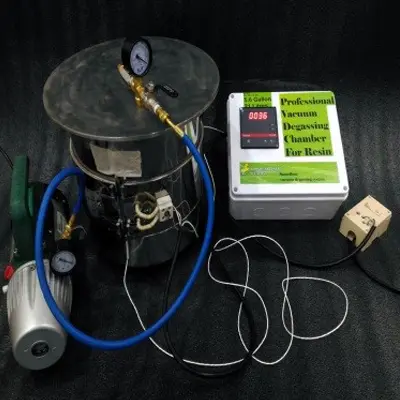
Leak Testing Bubble Emission Leak Test Chamber – Burhani Engineering Technology

Bubble Emission Leak Test Chamber

ASTM F2096 Internal Pressurization

Glove Box Acrylic Vacuum Glove Box – Burhani Engineering Technology

Acrylic Vacuum Glove Box

Inert Atmosphere Workstation

Degassing Stainless Steel Vacuum Degassing Chamber – Burhani Engineering Technology

Stainless Steel Vacuum Degassing Chamber

Heavy-Duty Degassing Solution

Degassing Acrylic Vacuum Chamber – Cylinder – Burhani Engineering Technology

Acrylic Vacuum Chamber – Cylinder

Transparent Cylindrical Degassing

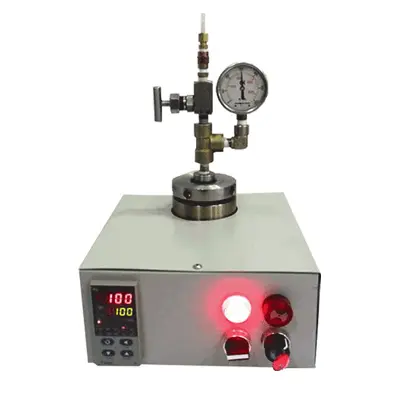
Heated Heated Vacuum Chamber / Oven – Burhani Engineering Technology

Heated Vacuum Chamber / Oven

Temperature-Controlled Degassing

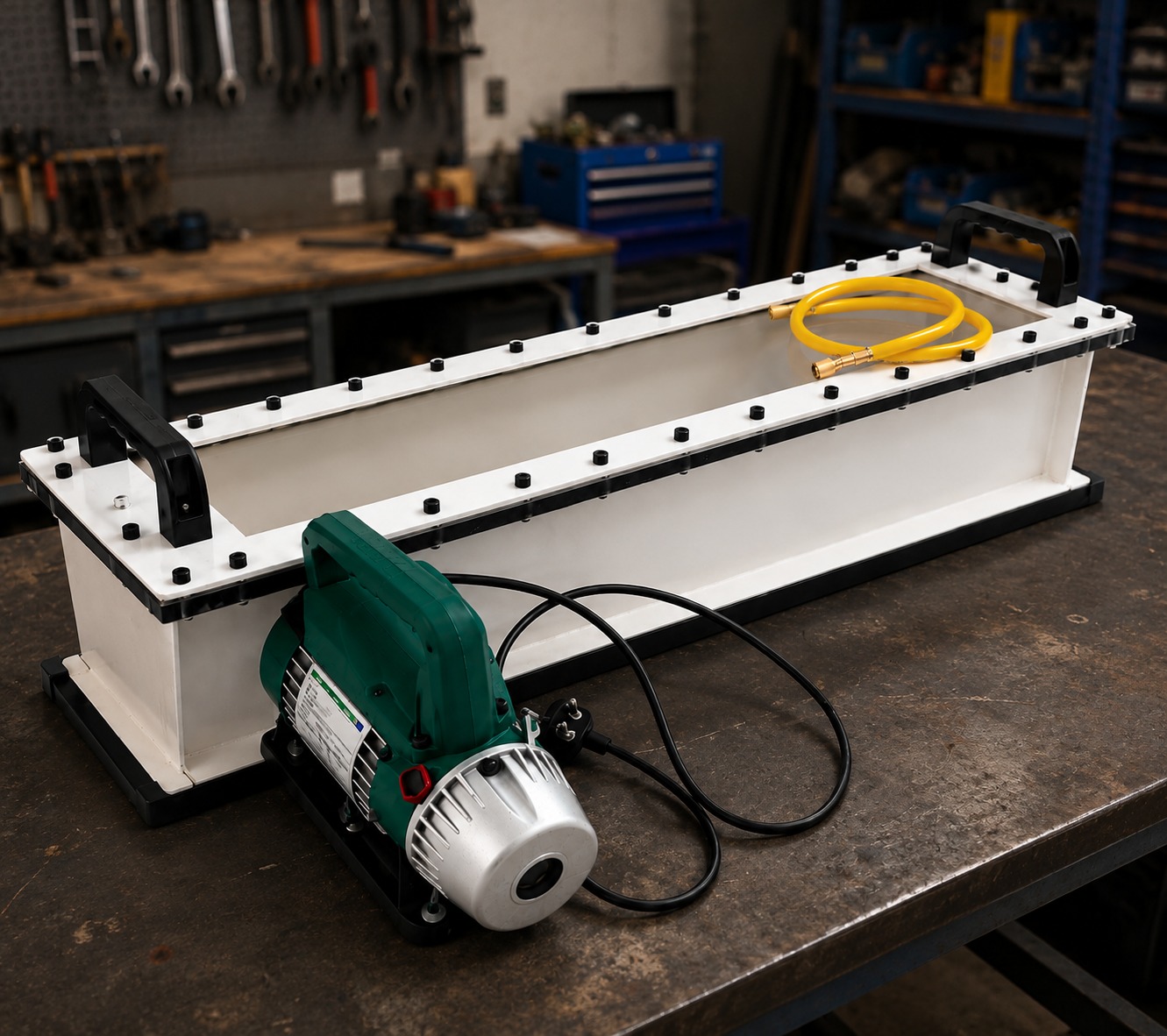
Weld Testing Flat Bottom Vacuum Box – Butt Weld Testing – Burhani Engineering Technology

Flat Bottom Vacuum Box – Butt Weld Testing

NDT Weld Integrity Inspection

Silicone Liquid Silicone Rubber – Clay Mold Making – Burhani Engineering Technology

Liquid Silicone Rubber – Clay Mold Making

Degassing for Silicone Applications

Specialty Gem Stone Oiling & Crack Filling Machine – Burhani Engineering Technology

Gem Stone Oiling & Crack Filling Machine

Vacuum Impregnation System

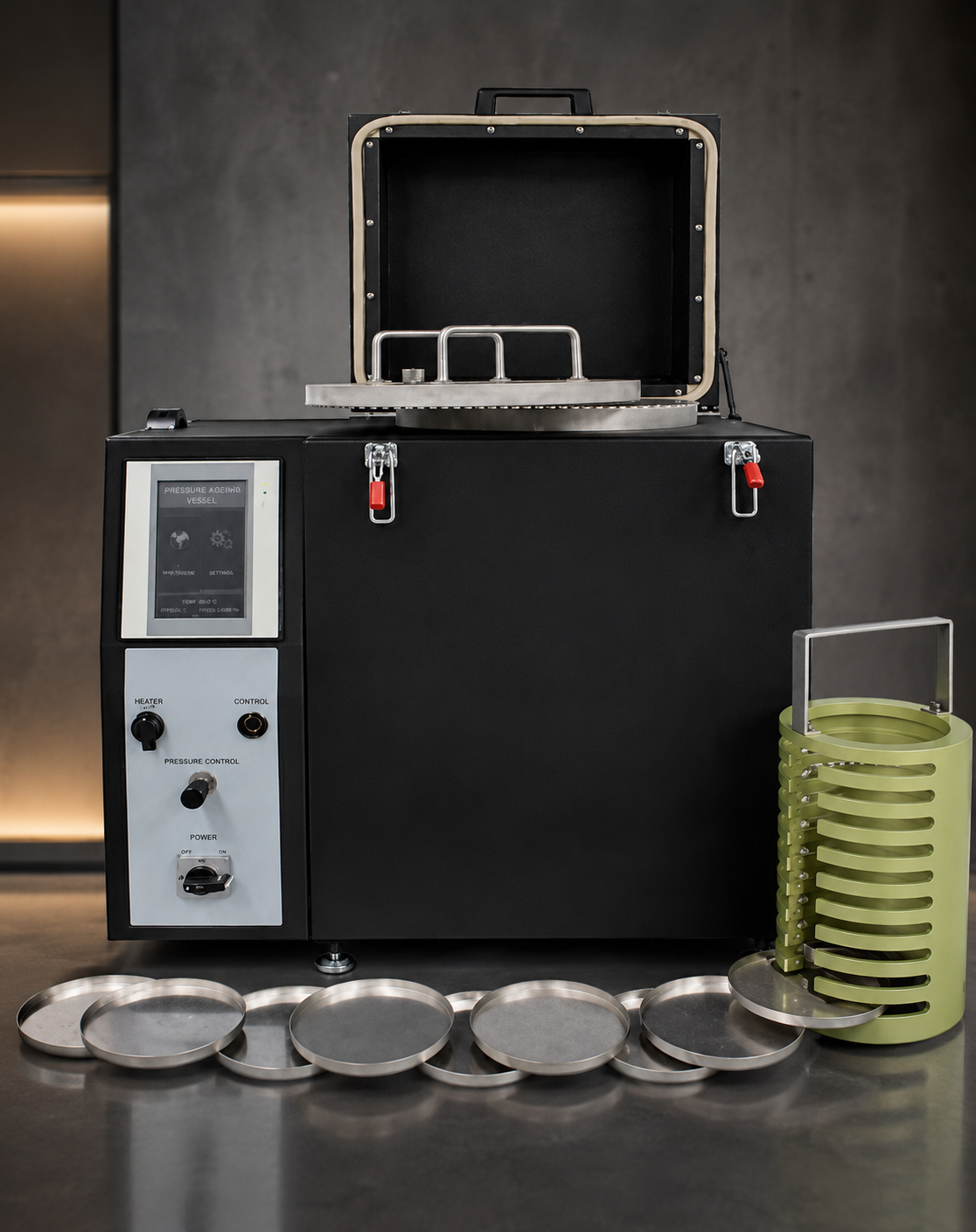
Asphalt Testing ATS Pressure Aging Vessel – Burhani Engineering Technology

ATS Pressure Aging Vessel

Asphalt Binder Long-Term Aging

Laboratory PCR Chambers – Burhani Engineering Technology

PCR Chambers

Sterile Contamination-Free Environment

Talk to Our Engineering Experts

Have questions about our products or need a custom solution? Our technical team is ready to help you find the right equipment for your application.

Our Address Thirupthi Nagar, Chettimedu Village,
Vadaperumbakkam, Chennai,
Tamil Nadu 600060, India
Working Hours Monday – Saturday: 9:00 AM – 5:00 PM IST

Send Us an Enquiry

We typically respond within 1 business day.

βœ… Your enquiry has been sent! We'll get back to you shortly.