Preventive Maintenance Protocols
To ensure the safety of your operators and maintain a high-purity inert gas atmosphere (sub-1 ppm Oxygen and Moisture), establishing a routine maintenance schedule is critical. Neglecting glove integrity checks or pump maintenance can lead to leaks, poisoned catalysts, and expensive experimental failures.
1. Daily Inspection: Glove Integrity
Gloves are the thinnest barrier between the laboratory air and the inert interior. They are susceptible to micro-punctures, tears, and chemical degradation.
- Physical Inspection: Check gloves visually for cracking, pinholes, or chemical discoloration before putting hands inside.
- Port Pressure Check: Fit a tight port cap over the glove port, pressurize the port, and monitor for pressure decay to detect micro-leaks.
2. Vacuum Pump Maintenance
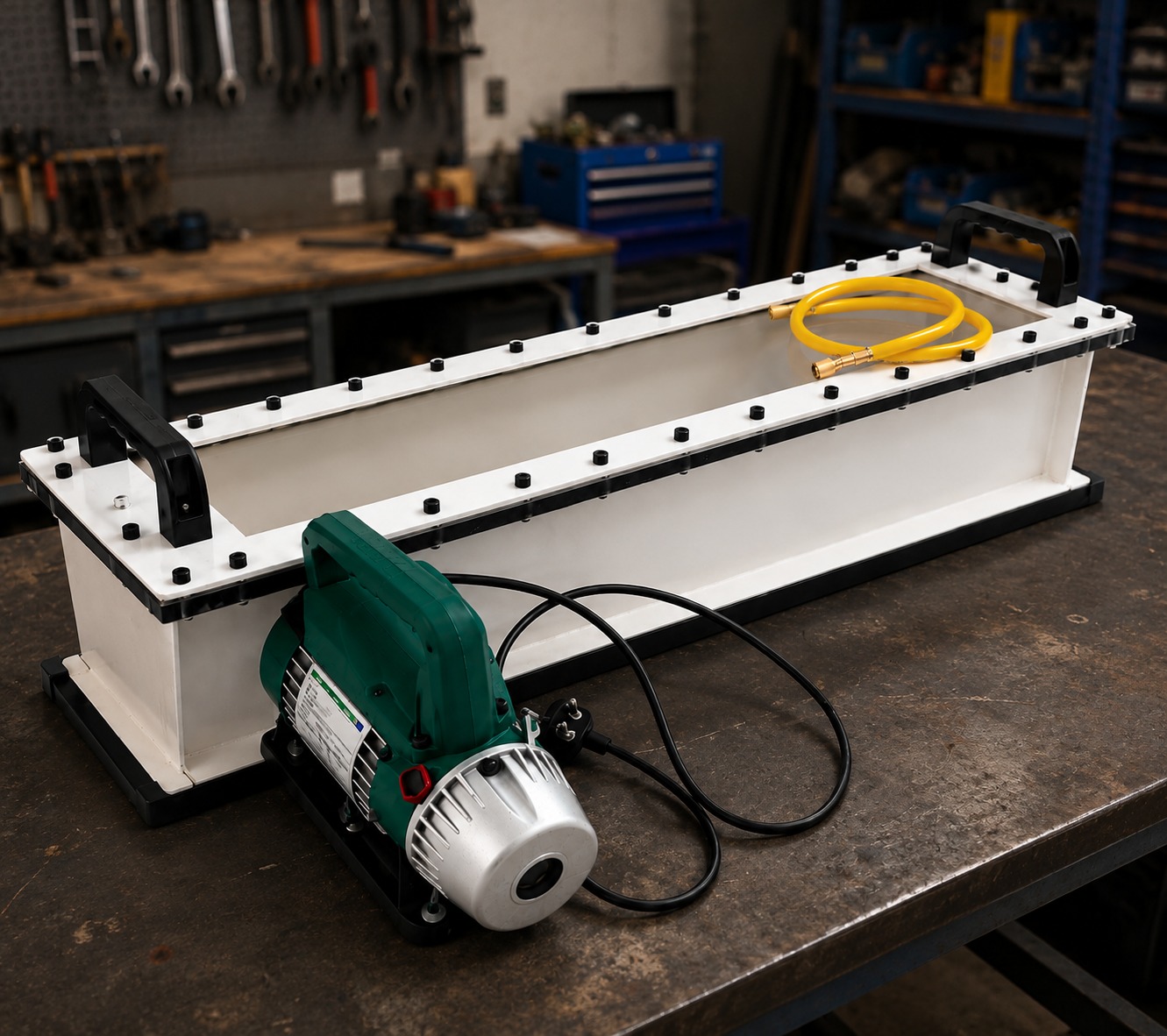
The vacuum pump is essential for purging the antechamber. Standard rotary vane pumps require regular lubrication checks:
- Oil Check: Check pump oil levels and color weekly. Dark or cloudy oil indicates contamination or degradation.
- Oil Replacement: Replace pump oil every 3 to 6 months depending on usage, or annually for dry scroll pumps to maintain target vacuums of 10⁻³ mbar.
3. Sensor Calibration and Replacement
Oxygen and moisture sensors control gas purification cycles. They require regular calibration to prevent false readings:
- Oxygen Sensors: Electro-chemical sensors must be calibrated annually and replaced every 2–3 years as the internal electrolyte gets consumed.
- Moisture Sensors: Capacitive ceramic moisture sensors require recalibration or replacement every 12–24 months to ensure accuracy under 1 ppm.