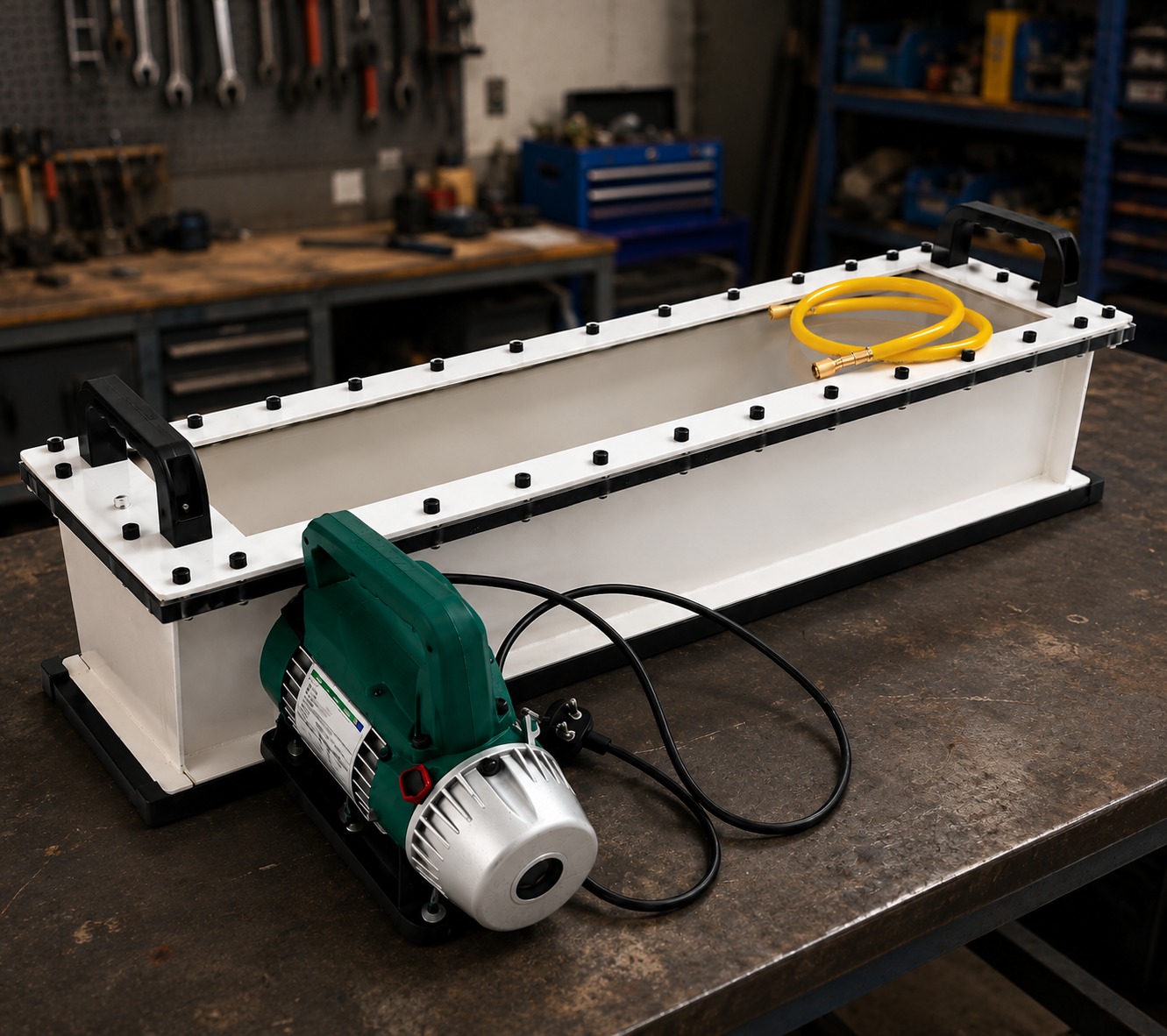
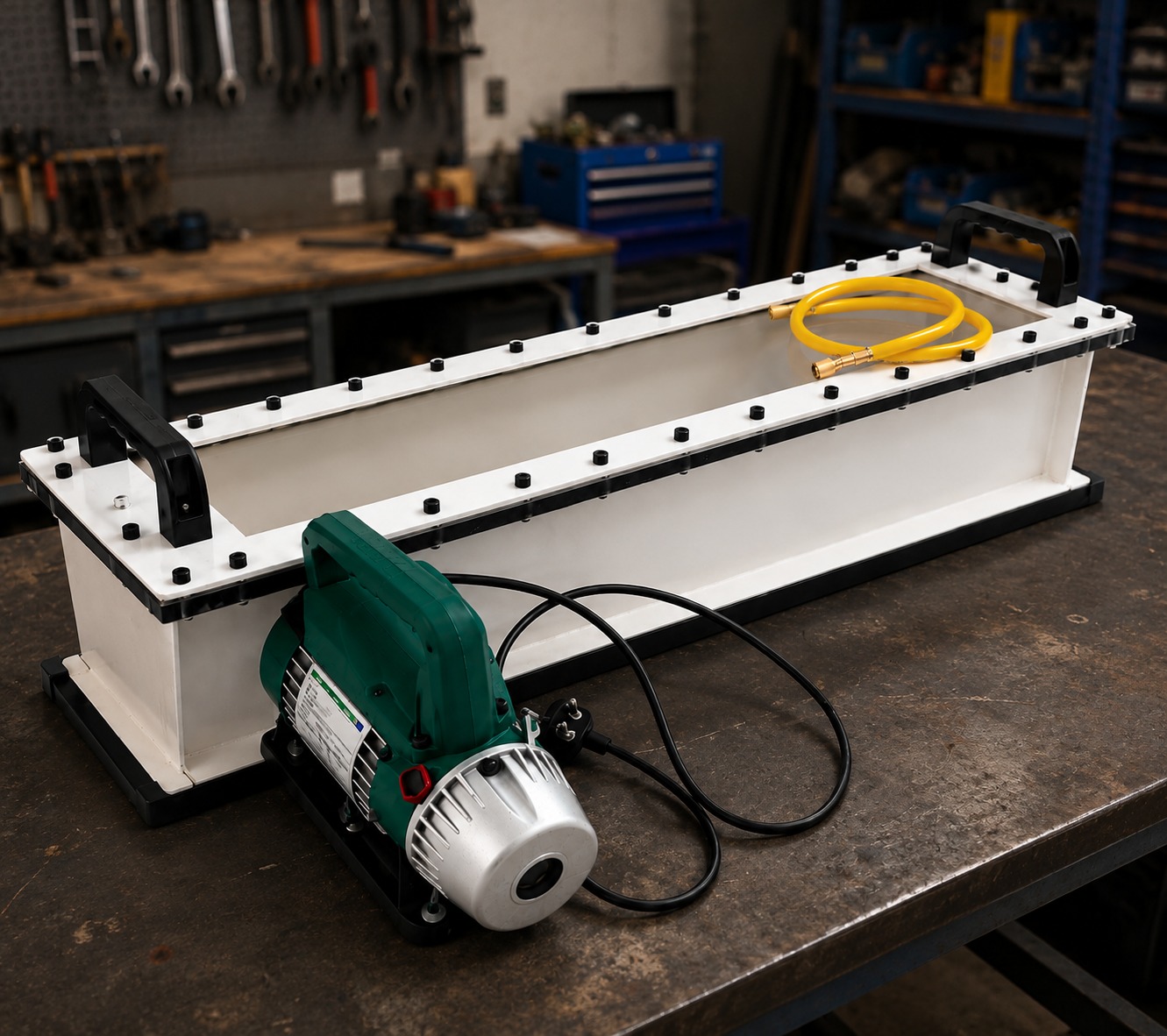
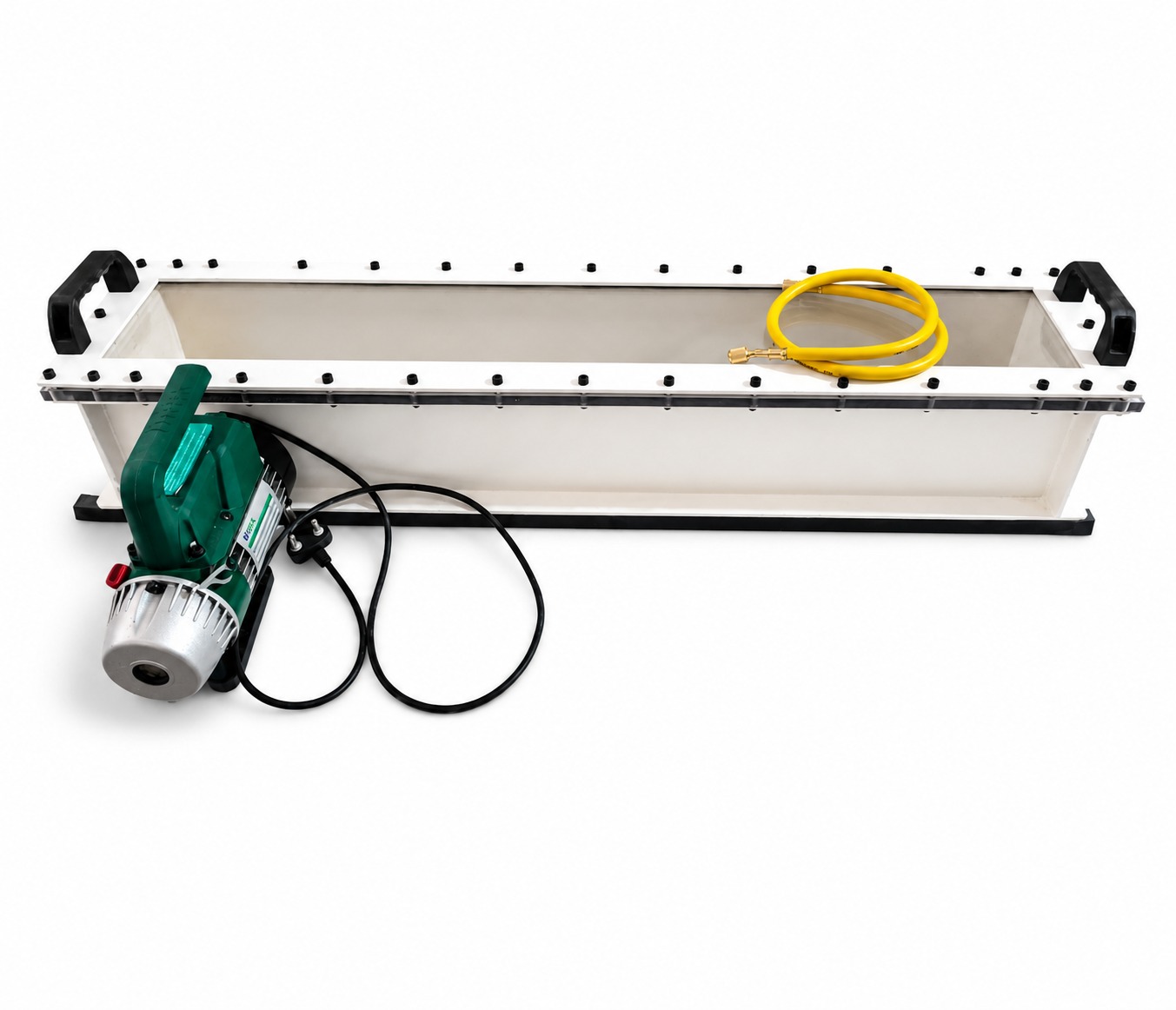
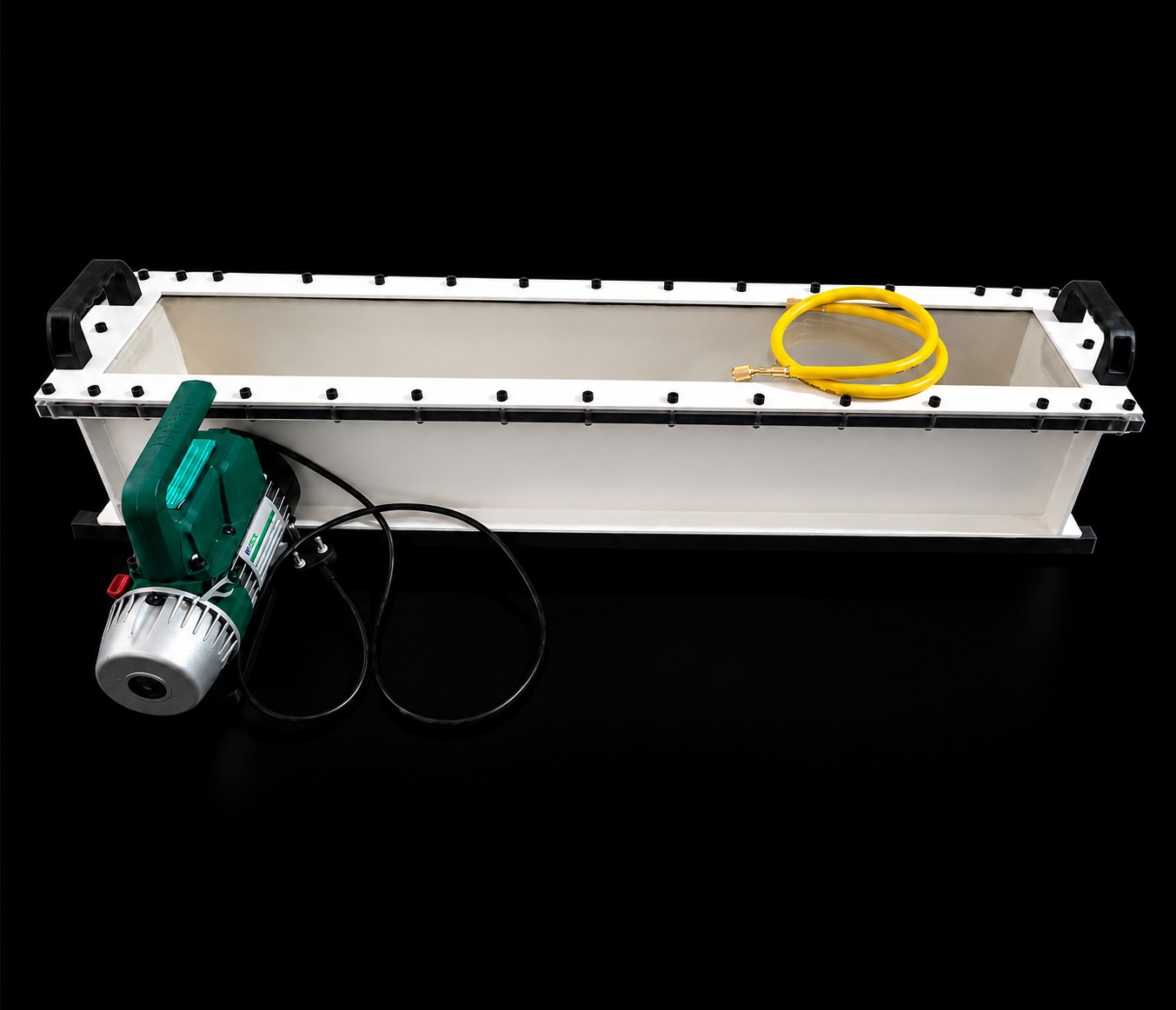
Vacuum Box Weld Testing Equipment
When absolute precision is required in structural integrity validation, professional
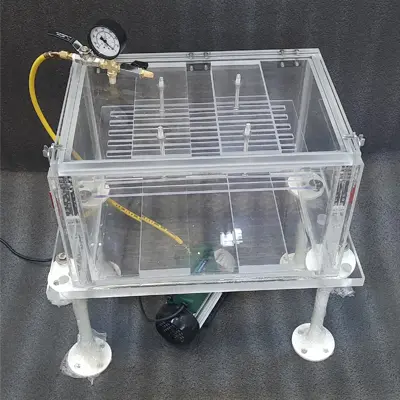
vacuum box weld testing equipment
is the undisputed industry standard. Vacuum box testing ensures zero-tolerance for leaks in critical infrastructure.
As a leading NDT vacuum box manufacturer, Burhani Engineering Technology continuously perfects reliable weld leak testing equipment.
What is Vacuum Box Testing?
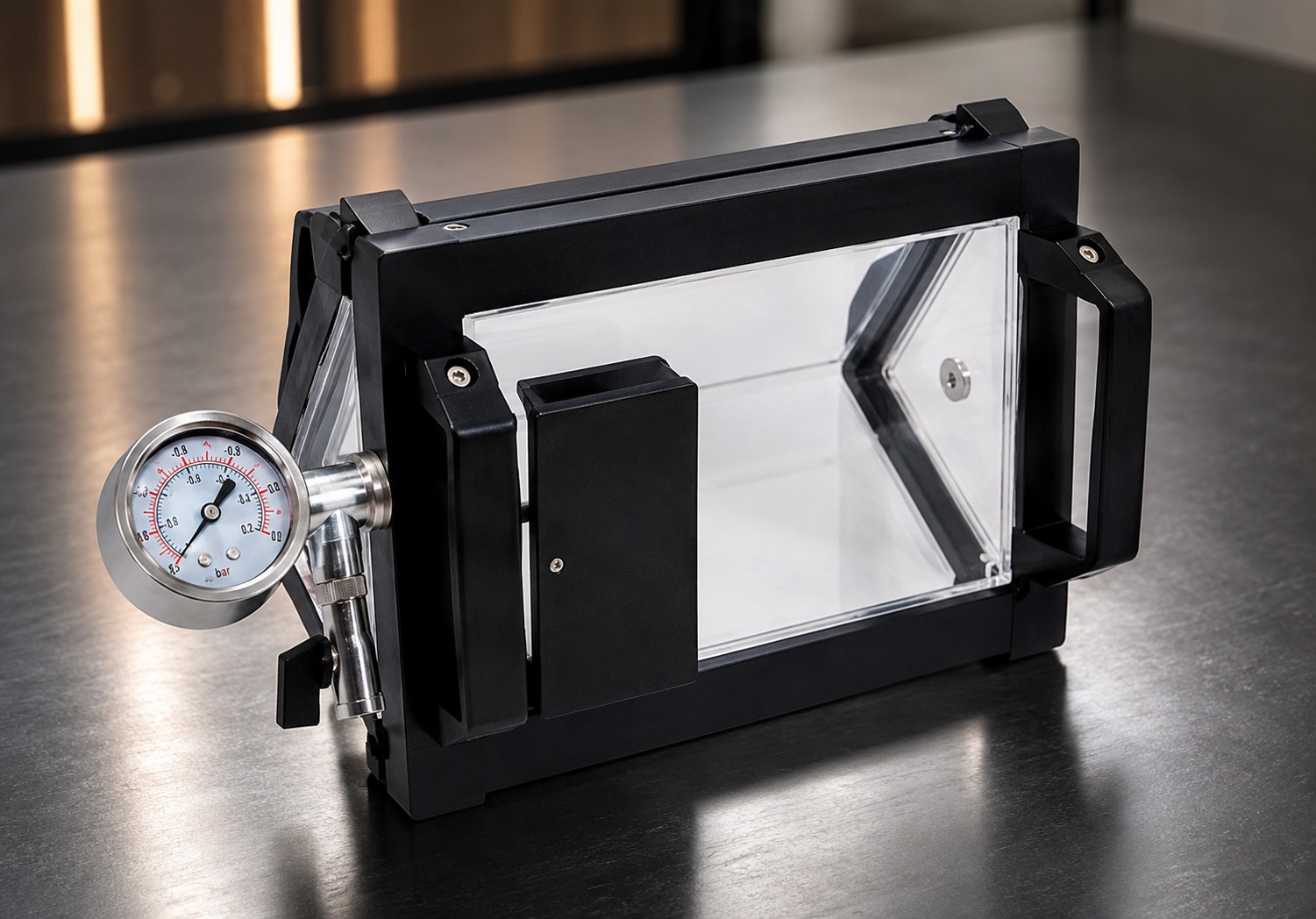
Vacuum box testing is an essential non-destructive evaluation technique used to identify and precisely locate leaks in the weld seams of various containment structures. Typically, a flat bottom vacuum box or corner box is placed over a weld seam after applying a soap solution, and the internal air is evacuated to reveal leaks as growing bubbles.
How Vacuum Box Testing Works
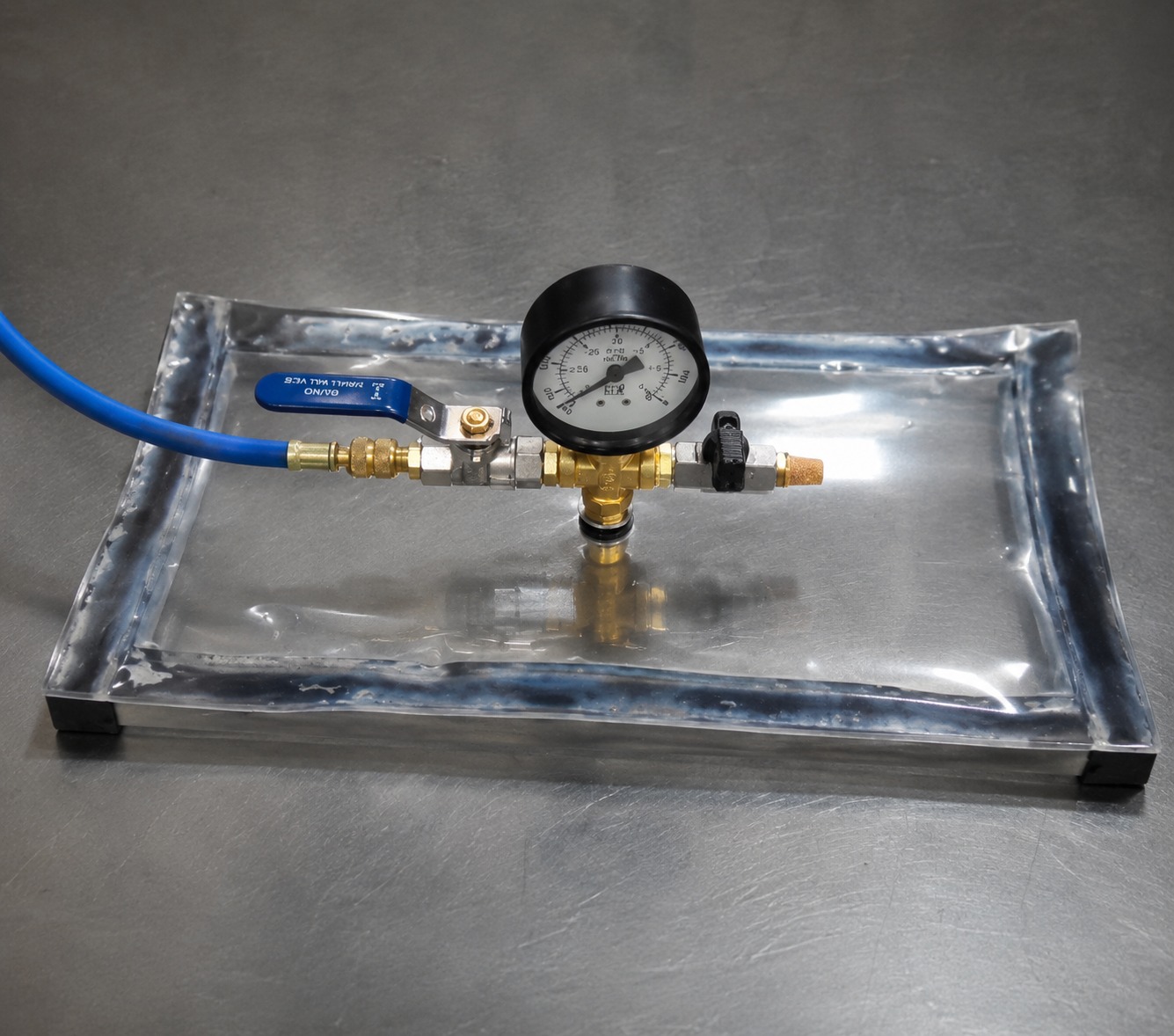
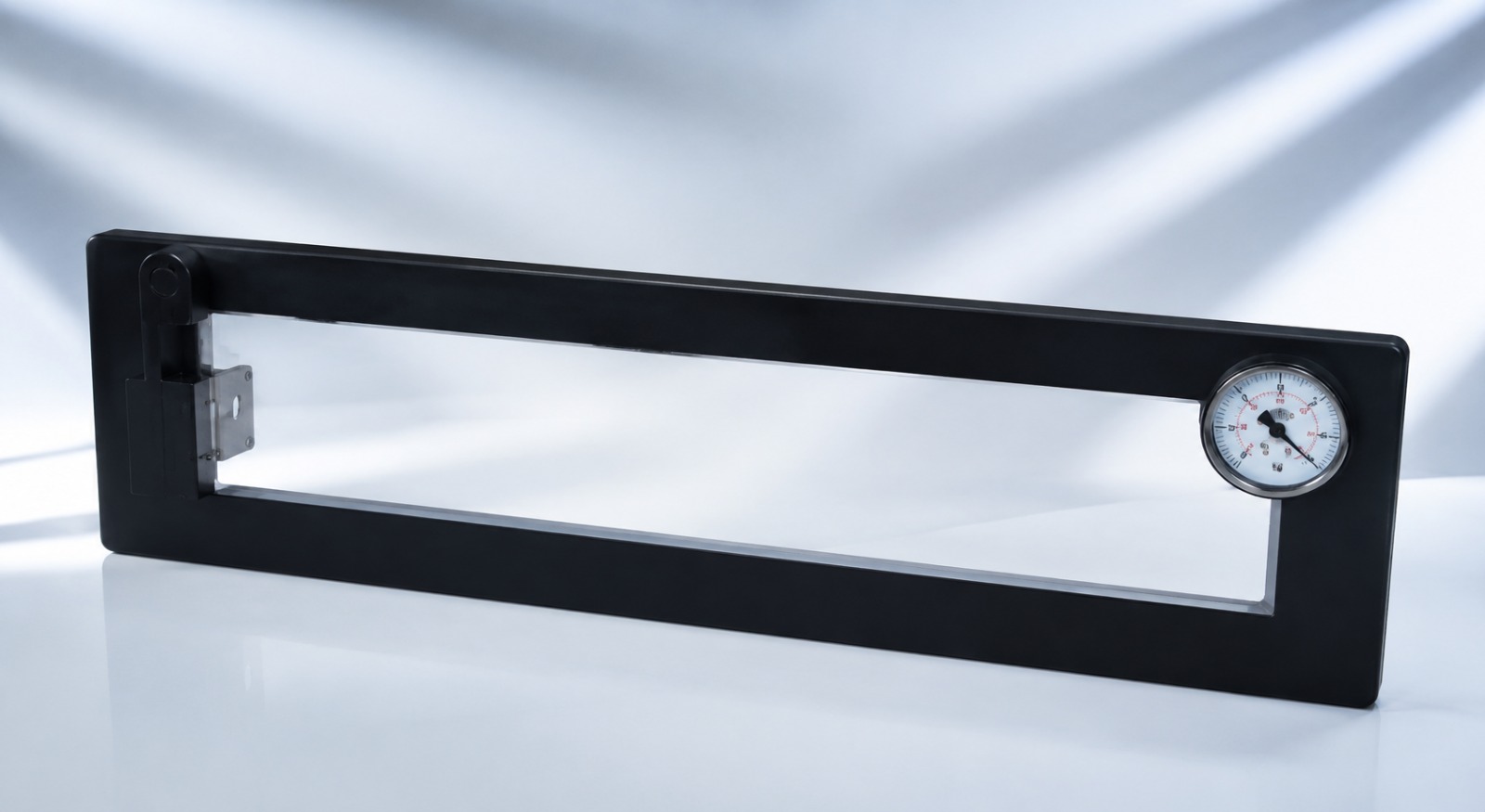
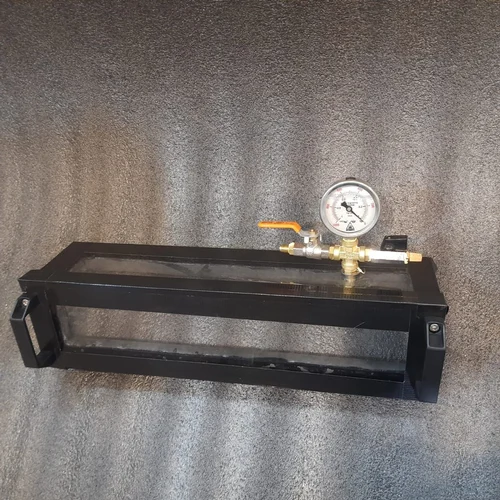
The fundamental principle behind our bubble leak testing equipment relies on creating internal pressure differentials. When the vacuum box leak detector—equipped with a clear viewing window—is positioned over a coated weld seam, the operator pulls a vacuum. If there is a through-thickness deficiency, the escaping air forms distinct bubbles, completing the vacuum box testing procedure with instantaneous visual feedback. Learning how to test weld leaks using vacuum box methods is intuitive with our ergonomic equipment.
Types of Vacuum Boxes
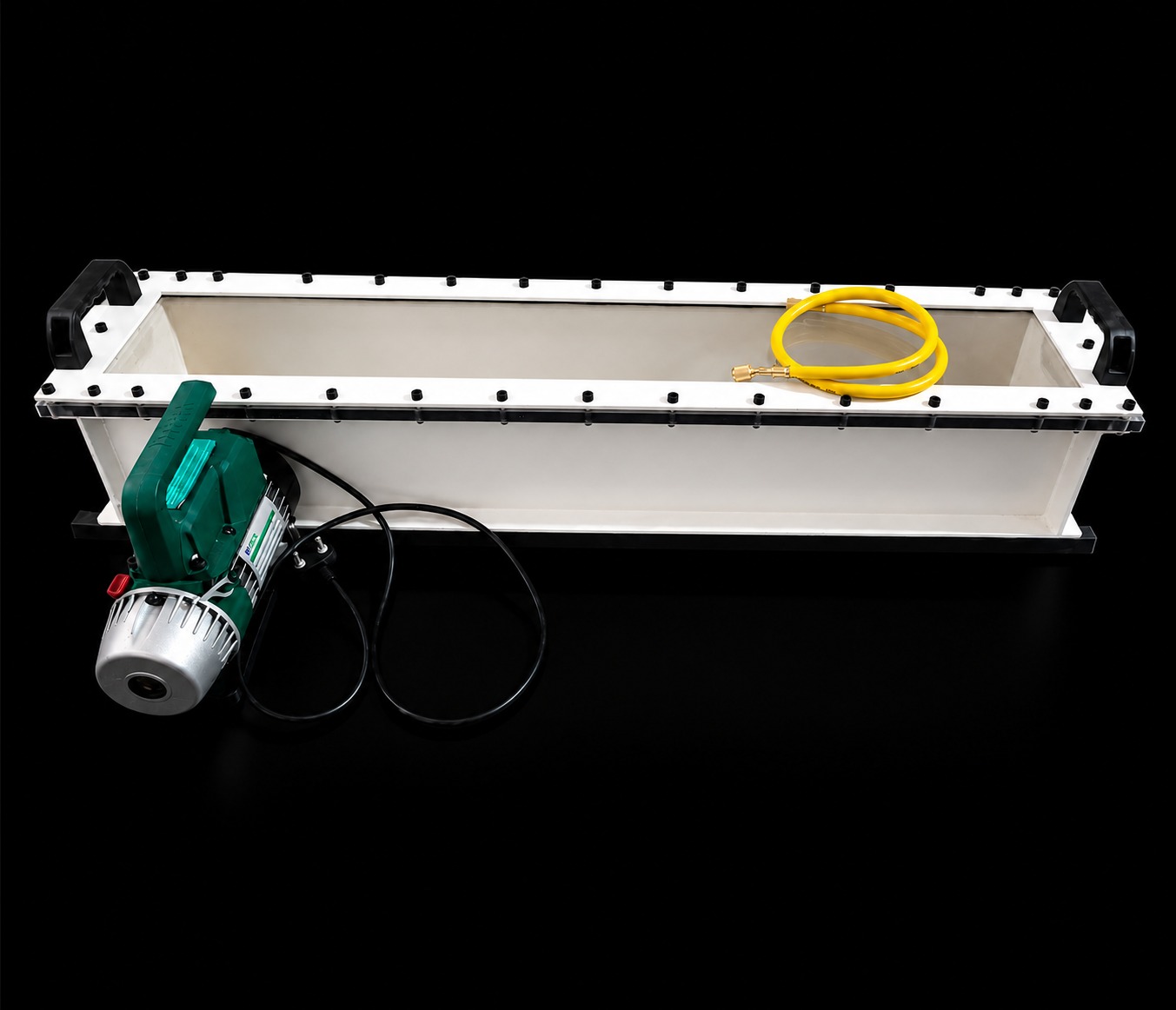
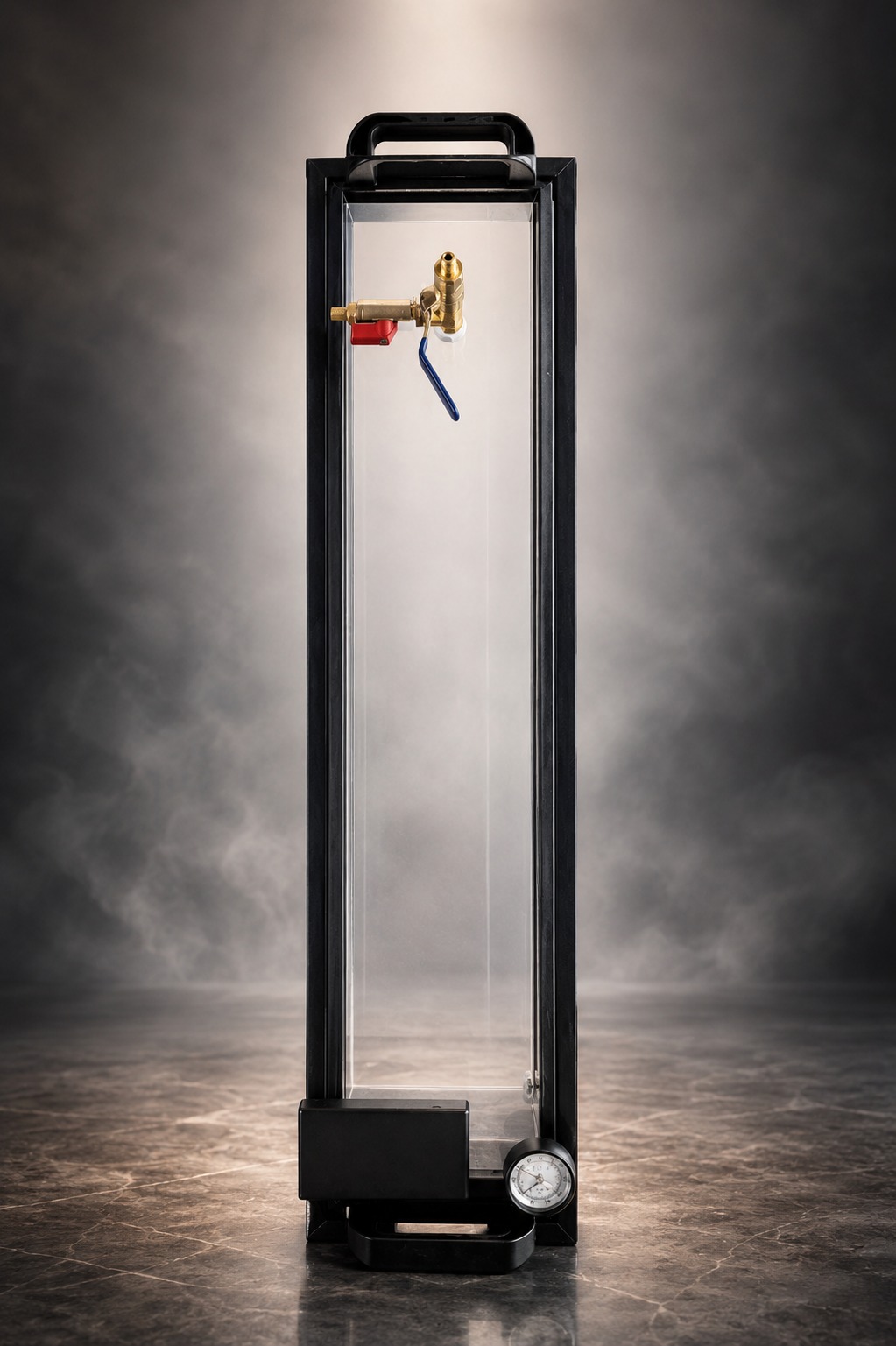
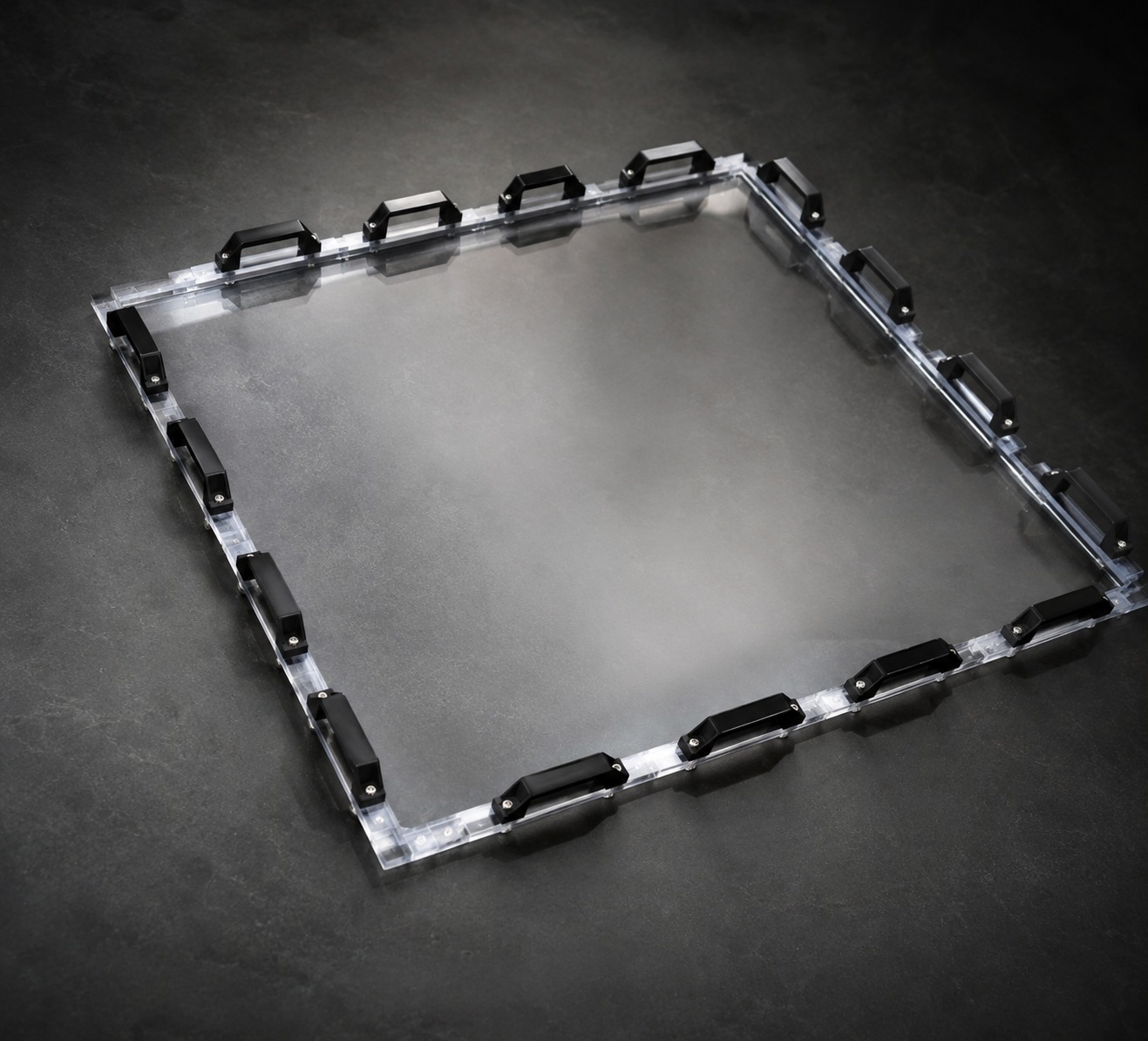
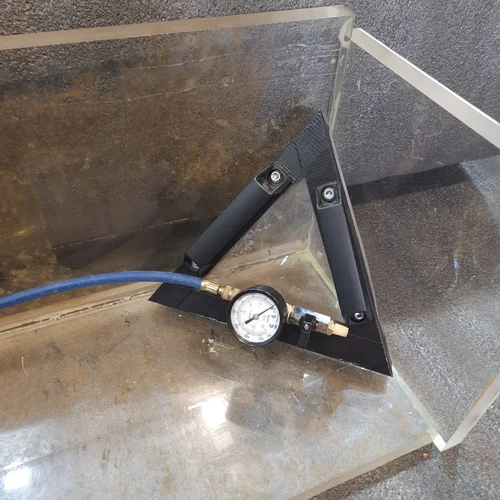
Our extensive industrial vacuum box testing system catalog covers every possible joint profile. The industry workhorse is the flat bottom vacuum box designed for floor plates. We also manufacture inner corner boxes, outer corner boxes, angular curved surface boxes, and 3x90 degree intersection boxes. Because different connections demand varied geometries, having the right vacuum box for weld inspection is vital.
Applications of Vacuum Box Testing
Our advanced vacuum box NDT testing equipment is highly scalable. The primary applications include:
- Storage tank weld testing: Floor-to-side-shell joints and flat bottom laps.
- Pipeline weld inspection: Longitudinal and complex girth weld seams.
- Pressure vessel testing: Flat end caps and reinforcement layers.
The bubble leak detection method drastically reduces catastrophic failure risks and expensive re-welds. This specific non-destructive testing equipment offers rapid deployment without shutting down entire plant operations, preventing structural breakdowns before a tank is commissioned. It guarantees immaculate weld defect detection and verifies airtightness immediately on the spot.
Why Choose Our Vacuum Box Equipment
Investing in our dedicated weld seam leak testing products ensures rigorous quality control compliance. As an experienced NDT vacuum box manufacturer, we provide unbreakable acrylic viewing windows, durable cast-aluminum and high-density bodies, and perfectly engineered gaskets that maintain exceptional seals even on rough weld spatter. Discover more about our full suite of
vacuum box weld testing equipment
and elevate your leak detection parameters today.
Technical Highlights
- Designed to API 650/653 recommendations
- 750 mm (29.53 in) weld inspection length
-
Integrated LED Lights
- Required API/ASME inspection intensity
- Eliminates glare
- Removes shadows
-
Calibrated Vacuum Relief Valve
- Maintains correct vacuum
- Prevents over-vacuum
- Improves operator safety
-
Two-stage seal design
- Improves initial vacuum
- Better sealing on large lap welds
-
Electric vacuum pump or compressor driven
- Flexible operation
- Construction site compatibility
-
High-pressure and Low-pressure Models
- 20 in Hg (10 psi / 0.7 bar): Recommended for in-service tanks. BHFTECH models rated to 20 in Hg.
- 10 in Hg (5 psi / 0.4 bar): Recommended for new tanks.