Vacuum Glove Box Buying Guide

The Definitive Engineering & Procurement Resource for Controlled Atmosphere Containment Chambers

Procurement Strategy for Precision Controlled Environments

Acquiring a vacuum glove box is a significant capital investment for any research laboratory, university department, or industrial manufacturing facility. The selection process involves balancing complex engineering variables: chamber materials, purification capacity, gas choices, safety interlocks, and utility integration. A mismatch between equipment capabilities and application needs can lead to poor sample quality, low production yields, or unsafe operating conditions.

This Vacuum Glove Box Buying Guide, compiled by the senior engineering team at Burhani Engineering Technology, is designed to walk procurement officers, laboratory managers, and principal investigators through the critical decision matrix. From deciding between clear acrylic enclosures and high-strength stainless steel chambers to understanding the long-term ROI of active gas purification systems, this guide provides the technical knowledge needed to make an informed purchase.

By standardizing your parameters against our industrial benchmarks, you can avoid common buyer mistakes and ensure that your chosen glove box performs reliably for years to come.
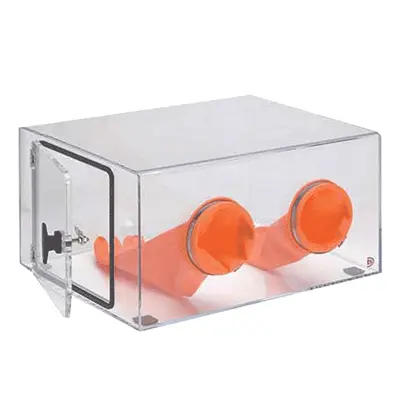
Chamber Material Choice: Acrylic vs. Stainless Steel

The most fundamental choice when buying a glove box is the material of the main enclosure. This selection determines the structural strength, chemical compatibility, maximum vacuum thresholds, and long-term durability of the system.

Acrylic Glove Boxes (PMMA)

Constructed from transparent polymer panels (typically 20mm to 25mm thick), acrylic glove boxes offer 360-degree visual clarity, making them popular for teaching labs and micro-assembly lines.

  • Pros: Low initial cost, excellent visibility, lightweight structure, easy modifications.
  • Cons: Limited chemical compatibility (damaged by organic solvents like acetone and chloroform), cannot handle high temperatures, and cannot tolerate deep vacuum in the main chamber due to stress cracking risks.
  • Best For: Ambient purge operations, dust protection, low-purity inert atmospheres (>100 ppm Oβ‚‚/Hβ‚‚O).
Stainless Steel Glove Boxes (SS304/SS316L)

Constructed from all-welded industrial stainless steel sheets with safety glass front windows, these chambers represent the standard for high-end research.

  • Pros: Impermeable to gases, certified for deep vacuum ($10^{-3}$ mbar), excellent chemical resistance, supports integrated high-temperature drying ovens, and maintains sub-1 ppm purity.
  • Cons: Higher initial price, heavier weight, visibility is limited to the front glass panel.
  • Best For: Lithium-ion battery assembly, semiconductor processing, organometallic synthesis, and high-vacuum transfers.

Glove Box vs. Fume Hood: Clarifying the Ambiguity

A common point of confusion among procurement officers is whether to buy a fume hood or a glove box. While both are containment systems, their working principles and protective targets are fundamentally opposite.

Fume Hoods: These are open containment systems that draw standard laboratory air from the room, past the operator, and exhaust it out of the building. Fume hoods are designed solely to protect the operator from inhaling hazardous vapors or toxic dusts. Fume hoods do not control the internal atmosphere, meaning the product is fully exposed to ambient oxygen, humidity, and airborne contaminants.

Glove Boxes: These are sealed, closed systems that isolate the internal atmosphere from the laboratory. By replacing air with inert gas, glove boxes protect the product from reacting with oxygen and moisture. Furthermore, when operated under negative pressure, glove boxes provide maximum safety for the operator when handling highly toxic compounds, pathogens, or radioactive materials, isolating the user from the internal contents.

Functional Comparison Summary
Feature Fume Hood Glove Box
Atmosphere Ambient Air Inert Gas (Ar, Nβ‚‚, He)
Oβ‚‚ & Hβ‚‚O Control None Sub-1 ppm possible
Operator Shielding Aerodynamic barrier Physical gas-tight window
Operating Cost Low (Blower fan electricity) Medium (Inert gas & sensor calibration)

Technical Decision Parameters

Crucial configuration points that dictate system performance and operating costs.

1. Single vs. Dual Purification Columns

Gas purification columns contain the active copper catalyst and molecular sieve. Over time, they saturate and must undergo a 24-hour heating regeneration process.

Choose a Single Column system if your laboratory can tolerate 24 hours of scheduled downtime every few months. Choose a Dual Column system if you require uninterrupted 24/7 purification uptime (the system automatically switches to the second column when the first starts regeneration).

2. Argon vs. Nitrogen Gas Selection

Inert gases are the main consumable cost for glove box operation.

Nitrogen ($N_2$) is inexpensive and readily available via liquid nitrogen dewars or high-output generators, making it perfect for general organic chemistry and powder handling. However, Argon ($Ar$) is mandatory for lithium-ion battery research, titanium welding, and handling active group 1 metals, as lithium reacts with nitrogen.

3. Mini vs. Large Industrial Footprints

Chamber size dictates workflow ergonomics and gas consumption.

A Mini Glove Box (2-port, compact) is ideal for space-constrained laboratories and simple sample preparations. Large Industrial Models (3-port, 4-port, or double-sided) are required when integrating third-party equipment like vacuum sealers, balance scales, spin coaters, or automated material conveyor lines.

Procurement Economics and ROI Analysis

While the initial purchase cost of a glove box is a major factor, the total cost of ownership (TCO) is determined by long-term operation.

Common Procurement Mistakes Buyers Make
  • Underestimating Gas Consumption: Standard purge glove boxes consume massive volumes of gas to maintain purity. Investing in an active Gas Purification Loop reduces gas usage by recycling the inert gas, offering a payback period of less than 18 months in gas savings alone.
  • Omitting Solvent Traps: Omitting inline solvent traps when working with organic solvents results in deactivating the copper catalyst bed inside the purification column.
  • Glove Material Mismatch: Buying inexpensive nitrile gloves for applications requiring high gas impermeability leads to high oxygen leakage rates through the glove walls.
ROI Calculation: Active Purification vs. Continuous Purging

Consider a standard 2-port glove box operating 8 hours a day, 5 days a week:

  • Continuous Purging System: Consumes ~20-30 liters of high-purity Argon gas per minute to maintain < 10 ppm purity. Monthly gas cost can exceed $1,500 – $2,500.
  • Active Purification System (BET): Circulates and cleans the same gas volume, consuming gas only during initial purging and airlock transfers (~1-2 cylinders per month). Monthly gas cost is reduced to less than $200.
  • Result: An active purification glove box pays for its price premium within 12–18 months while delivering superior, stable sub-1 ppm purity.

Request a Custom System Design

Speak directly with our senior vacuum engineers to specify the exact chamber dimensions, ports, and purification systems needed for your project.

Our Product Gallery

Click any product image to explore full specifications, features, and pricing

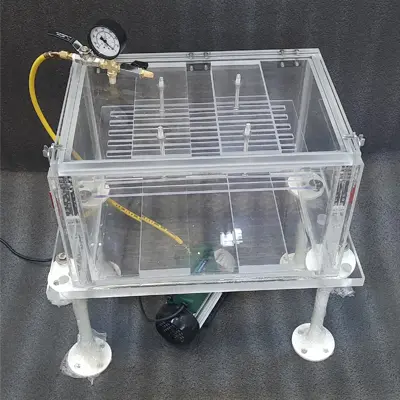
Leak Testing Bubble Emission Leak Test Chamber – Burhani Engineering Technology

Bubble Emission Leak Test Chamber

ASTM F2096 Internal Pressurization

Glove Box Acrylic Vacuum Glove Box – Burhani Engineering Technology

Acrylic Vacuum Glove Box

Inert Atmosphere Workstation

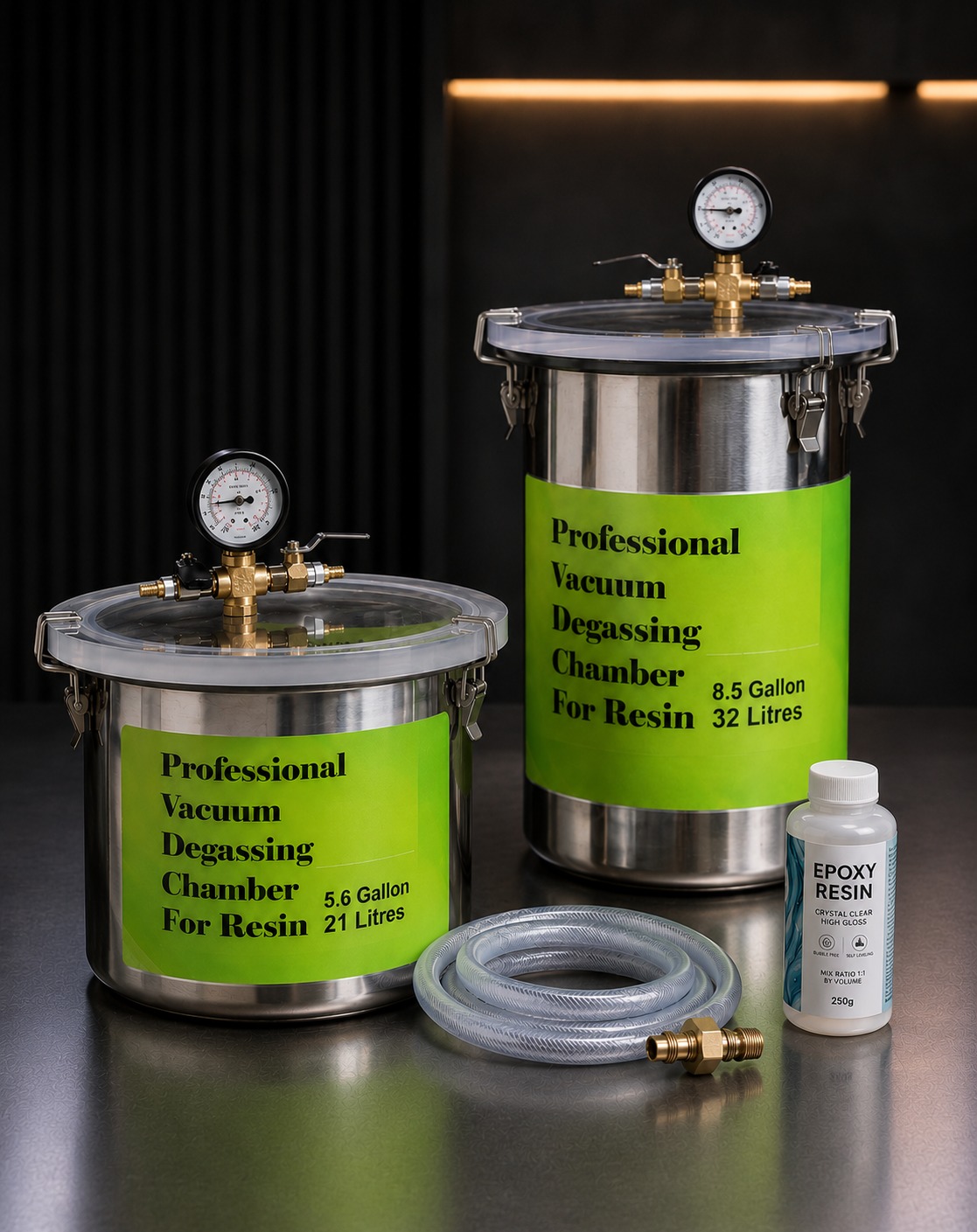
Degassing Stainless Steel Vacuum Degassing Chamber – Burhani Engineering Technology

Stainless Steel Vacuum Degassing Chamber

Heavy-Duty Degassing Solution

Degassing Acrylic Vacuum Chamber – Cylinder – Burhani Engineering Technology

Acrylic Vacuum Chamber – Cylinder

Transparent Cylindrical Degassing

Heated Heated Vacuum Chamber / Oven – Burhani Engineering Technology

Heated Vacuum Chamber / Oven

Temperature-Controlled Degassing

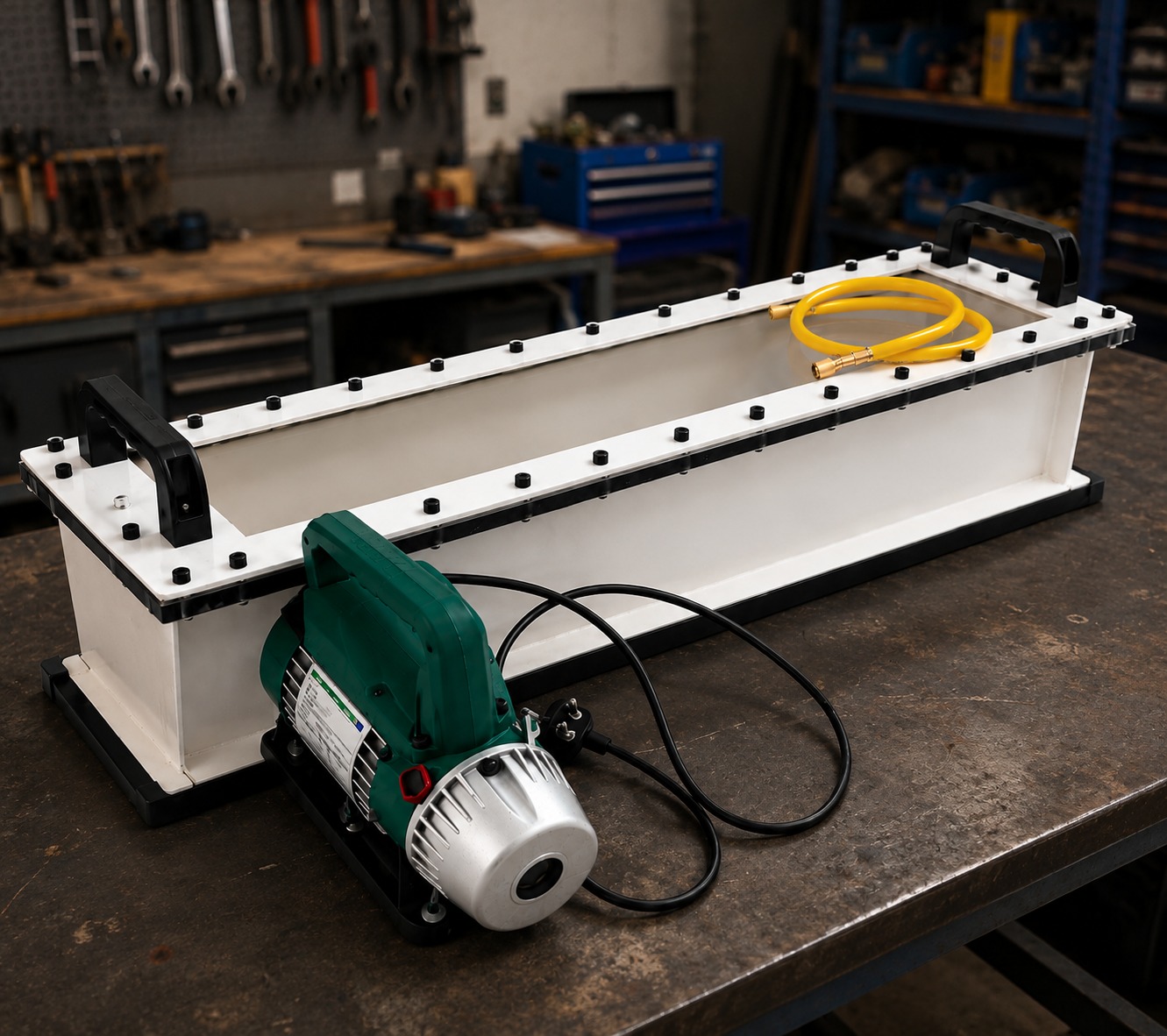
Weld Testing Flat Bottom Vacuum Box – Butt Weld Testing – Burhani Engineering Technology

Flat Bottom Vacuum Box – Butt Weld Testing

NDT Weld Integrity Inspection

Silicone Liquid Silicone Rubber – Clay Mold Making – Burhani Engineering Technology

Liquid Silicone Rubber – Clay Mold Making

Degassing for Silicone Applications

Specialty Gem Stone Oiling & Crack Filling Machine – Burhani Engineering Technology

Gem Stone Oiling & Crack Filling Machine

Vacuum Impregnation System

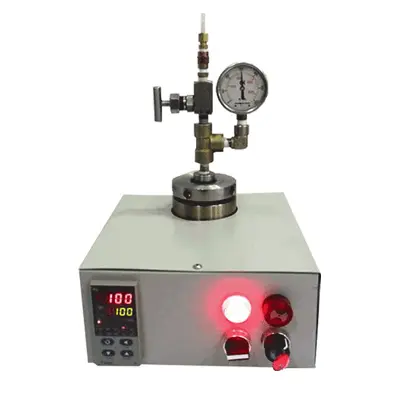
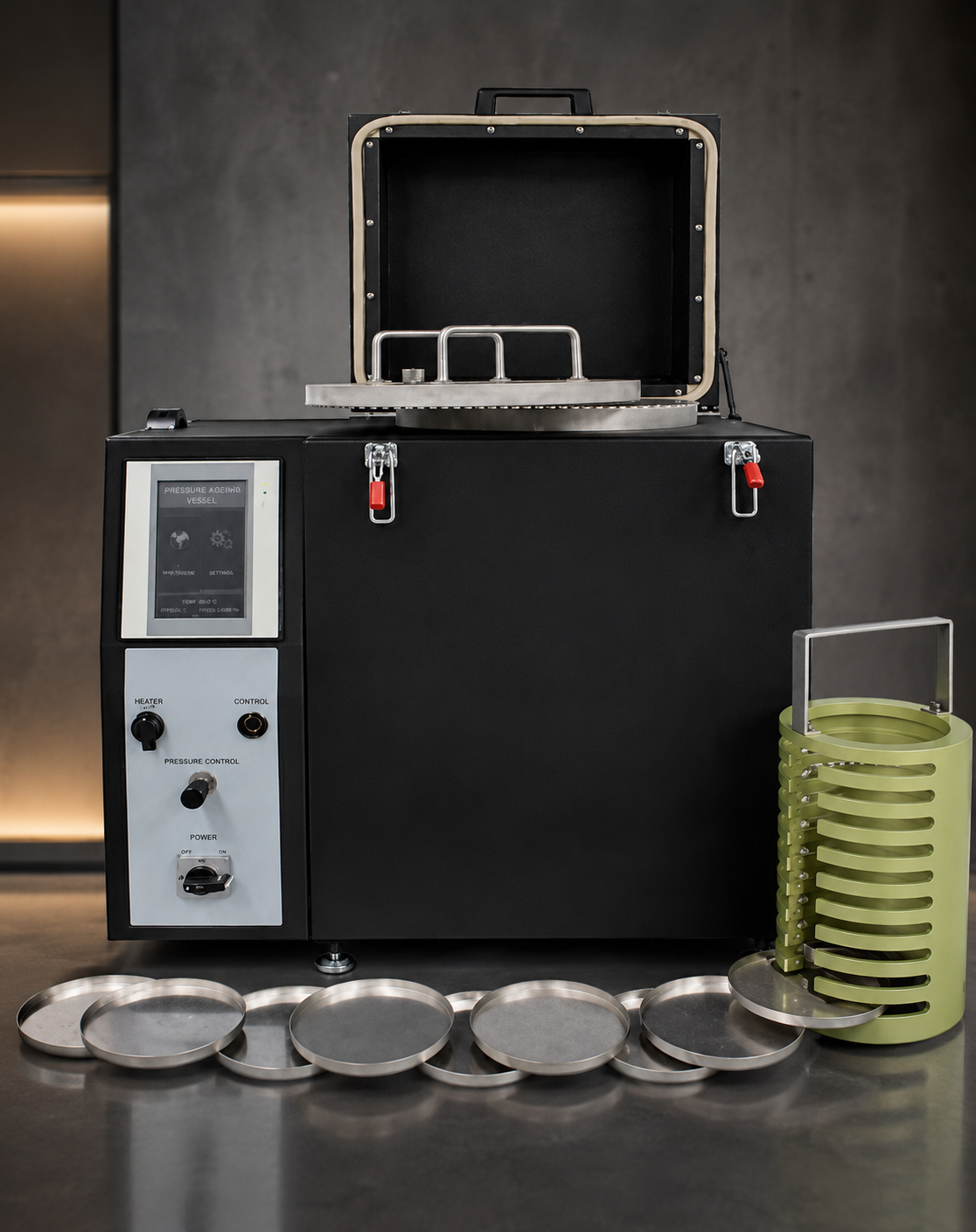
Asphalt Testing ATS Pressure Aging Vessel – Burhani Engineering Technology

ATS Pressure Aging Vessel

Asphalt Binder Long-Term Aging

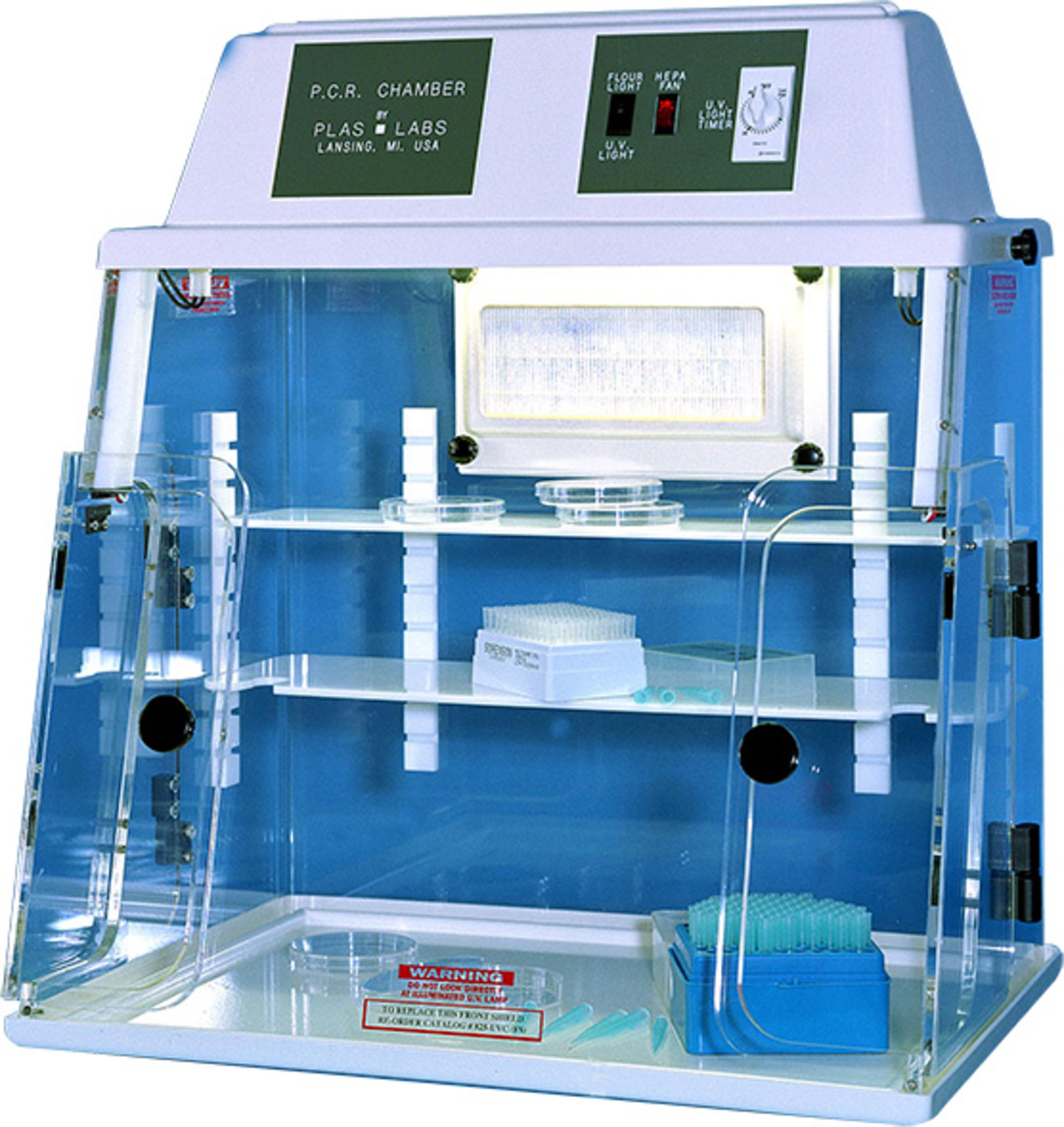
Laboratory PCR Chambers – Burhani Engineering Technology

PCR Chambers

Sterile Contamination-Free Environment

Talk to Our Engineering Experts

Have questions about our products or need a custom solution? Our technical team is ready to help you find the right equipment for your application.

Our Address Thirupthi Nagar, Chettimedu Village,
Vadaperumbakkam, Chennai,
Tamil Nadu 600060, India
Working Hours Monday – Saturday: 9:00 AM – 5:00 PM IST

Send Us an Enquiry

We typically respond within 1 business day.

βœ… Your enquiry has been sent! We'll get back to you shortly.