Battery Research Glove Box

Ultra-Pure Argon Atmosphere Systems for Coin Cell, Pouch Cell, and Solid-State Electrochemical R&D

Controlled Environment Engineering for Next-Gen Energy Storage

In the rapidly advancing landscape of energy storage technology, the development of high-performance batteries requires absolute environmental purity. Whether you are assembling lithium-ion coin cells, prototyping large pouch cells, or synthesizing novel solid-state electrolytes, even the slightest trace of moisture or oxygen can ruin materials, alter chemical kinetics, and lead to unsafe thermal runaway.

The Battery Research Glove Box manufactured by Burhani Engineering Technology is specifically designed to meet these rigorous demands. By establishing a hermetically sealed, positive-pressure environment backfilled with high-purity Argon gas, our systems maintain both Oxygen ($O_2$) and Moisture ($H_2O$) levels at sub-1 ppm (part per million) concentrations. This ensures that reactive alkali metals, specialized anodes, and sensitive electrolyte solutions remain chemically stable throughout your assembly and testing workflows.

By choosing a BET system, research laboratories, battery manufacturers, and academic institutes gain access to premium containment technology engineered for stability, chemical resistance, and ergonomic comfort.
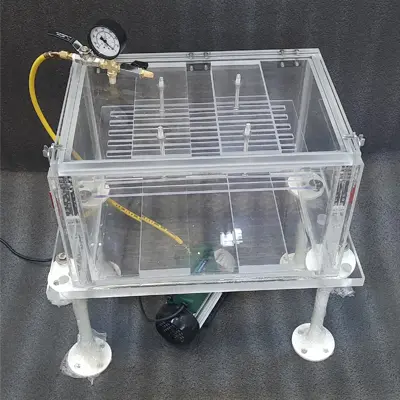
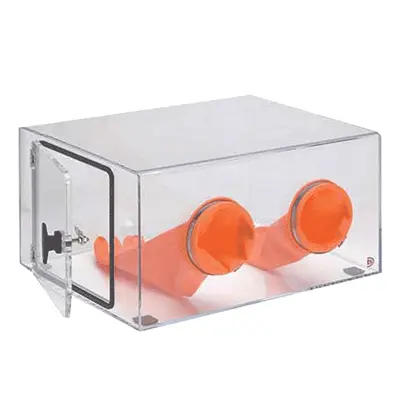
The Chemistry of Alkaline Metals: Why Standard Atmospheres Fail

Alkali metals used in battery research, such as Lithium ($Li$), Sodium ($Na$), and Potassium ($K$), possess extremely low ionization potentials, making them highly reactive. In the presence of ambient air:

Oxygen Corrosion

Lithium metal oxidizes rapidly when exposed to trace oxygen, forming a passivating oxide layer ($Li_2O$) that severely degrades electrical conductivity. This degradation hinders uniform lithium deposition, causing dendrite growth, which can lead to battery short-circuiting, thermal runaway, and catastrophic failure.

Moisture Reaction

Water vapor reacts exothermically with lithium to produce Lithium Hydroxide ($LiOH$) and flammable Hydrogen gas ($H_2$). Furthermore, in solid-state lithium battery research, sulfide-based solid electrolytes (like $Li_{10}GeP_2S_{12}$) react with moisture to release highly toxic and corrosive Hydrogen Sulfide ($H_2S$) gas, which poses severe safety hazards to operators and corrodes equipment.

To prevent these degradations and safety hazards, research must be conducted inside a glovebox containing high-purity inert gas. Additionally, the inert gas must be Argon rather than Nitrogen. While Nitrogen is a standard inert gas, metallic lithium reacts slowly with Nitrogen at room temperature to form Lithium Nitride ($Li_3N$). Though $Li_3N$ is a lithium-ion conductor, its uncontrolled formation alters the anode structure, rendering Nitrogen-based glove boxes unsuitable for lithium metal manipulation.

Battery R&D Workflows inside the Glove Box

Optimizing standard electrochemical assembly steps in a high-purity controlled environment.

1. Coin Cell Fabrication

Coin cells (CR2032, CR2016, etc.) are the standard format for testing new electrode active materials and electrolyte combinations. The assembly process inside a BET Glove Box involves:

  • Cutting lithium foil anodes to size using high-precision punches.
  • Placing separator membranes (e.g., Celgard) and cathode disks.
  • Dispensing precise microliter amounts of volatile organic electrolytes.
  • Crimping the coin cell shell using integrated hydraulic or electric crimpers mounted directly inside the chamber.

2. Pouch Cell Prototyping

Pouch cells offer higher energy density and represent a step closer to commercial applications. This scale-up research requires larger physical workspace:

  • Stacking anode/separator/cathode sheets in multi-layered architectures.
  • Ultrasonic tab welding to connect active leads to terminal tabs.
  • Precision vacuum sealing of the aluminum laminated pouch film.
  • Managing electrolyte filling and degassing cycles under highly controlled vacuum thresholds without solvent vapor spread.

3. Solid-State Cell Assembly

Solid-state batteries replace liquid organic electrolytes with solid ion conductors, demanding the most rigorous moisture-free environments:

  • Synthesizing sulfide- or oxide-based inorganic solid electrolytes (SE).
  • Cold pressing/pelletizing powders under hydraulic press tools inside the glovebox to minimize interfacial resistance.
  • Interfacial engineering via thin-film deposition or polymer electrolyte casting.
  • Assembling solid-state stack cells under constant mechanical pressure.

Safe Electrolyte Solvent Handling

Liquid electrolytes utilized in lithium battery manufacturing consist of lithium salts (such as $LiPF_6$) dissolved in organic carbonate solvents (including Dimethyl Carbonate - DMC, Ethylene Carbonate - EC, and Diethyl Carbonate - DEC).

These solvents evaporate readily, producing volatile organic compounds (VOCs) that circulate through the gas purification loop. If left unmanaged, these VOCs can react with the copper catalyst bed inside the purification column, poisoning it and drastically reducing its oxygen absorption capacity.

The BET Solution: Our Battery Research Glove Boxes are equipped with heavy-duty, integrated Solvent Adsorption Traps (Charcoal Absorber). Positioned inline before the purification blower, these carbon columns capture and retain gaseous organic solvents, protecting the copper catalyst and ensuring long-lasting system performance.

Essential Safety Protocols for Solvent Traps

Maintaining the solvent vapor management system is simple yet critical for preventing catalyst contamination:

  • Saturated Carbon Indicator: Monitor volatile organic solvent odor or monitor VOC detectors weekly to determine filter saturation.
  • Easy Replacement: The charcoal bed is housed in a bypassable column, allowing operators to change the activated carbon media without shutting down the main chamber circulation.
  • Regeneration Care: Never heat organic-saturated carbon columns during standard catalyst regeneration; always bypass or replace carbon before starting a thermal cycle.

Battery Glove Box Technical Specifications

Compare standard configurations designed for electrochemical research laboratories.

Specification Parameter Coin Cell Configuration Pouch Cell & Solid-State Setup
Chamber Dimensions (W x D x H) 1220mm x 760mm x 900mm (2-Port) 1800mm x 900mm x 900mm (3/4-Port)
Atmosphere Purity Control Argon Gas; Oβ‚‚ < 1 ppm, Hβ‚‚O < 1 ppm Argon Gas; Oβ‚‚ < 1 ppm, Hβ‚‚O < 1 ppm
Leak Class (ISO 10648-2) Class 1 (Leak rate < 0.05 vol%/h) Class 1 (Leak rate < 0.05 vol%/h)
Pressure Control Automatic PLC (+2 to +5 mbar dynamic) Automatic PLC (+2 to +5 mbar dynamic)
Solvent Filtration Standard Inline Charcoal Trap (5kg Capacity) Heavy-duty Dual-Bypass Solvent Trap (10kg Capacity)
Integrated Tooling Hydraulic Crimper feedthrough ports Integrated vacuum sealing machine & hydraulic press
Sleeve Port Material High-durability Butyl (Thickness: 0.4mm - 0.8mm) Heavy Butyl or Hypalon (Extra physical wear resistance)

Frequently Asked Questions

Technical answers to common questions about battery research glove box operation.

Lithium metal reacts spontaneously with Nitrogen gas at room temperature to form Lithium Nitride ($Li_3N$). This chemical reaction corrodes the metallic lithium anode and leads to false electrochemical measurement values. Therefore, high-purity Argon (Ar) must be used as the inert atmosphere.

Solid-state electrolyte materials (especially sulfides) are extremely sensitive to moisture and react to release toxic Hydrogen Sulfide ($H_2S$) gas. A strict threshold of less than 1 ppm Oxygen and less than 1 ppm Moisture is required to guarantee safe handling and prevent material degradation.

Electrolyte solvents (like DMC, EC, DEC) evaporate and produce volatile organic compounds (VOCs) that can poison and deactivate the copper catalyst inside the purification column. BET glove boxes utilize integrated charcoal solvent traps to adsorb these solvent vapors before they reach the main catalyst bed.

If VOC vapors reach the catalyst bed, they bind to the active copper sites, preventing the catalyst from reacting with Oxygen. This reduces the oxygen purification efficiency and requires more frequent chemical regenerations of the catalyst column.

Under normal operating conditions with functioning solvent traps, a single catalyst column can operate for 6 to 12 months before requiring a regeneration cycle. The exact duration depends on the chamber seal integrity, material transfer frequency, and glove usage.

Yes. We frequently integrate vacuum drying ovens directly into the side panels of the glove box. This allows researchers to dry anode/cathode foils or separators at high temperatures and transfer them directly into the inert atmosphere without exposing them to ambient air.

Accelerate Your Electrochemical Research

Consult with our engineering team to design a customized Battery Research Glove Box tailored to your lab footprint and tool integration requirements.

Our Product Gallery

Click any product image to explore full specifications, features, and pricing

Leak Testing Bubble Emission Leak Test Chamber – Burhani Engineering Technology

Bubble Emission Leak Test Chamber

ASTM F2096 Internal Pressurization

Glove Box Acrylic Vacuum Glove Box – Burhani Engineering Technology

Acrylic Vacuum Glove Box

Inert Atmosphere Workstation

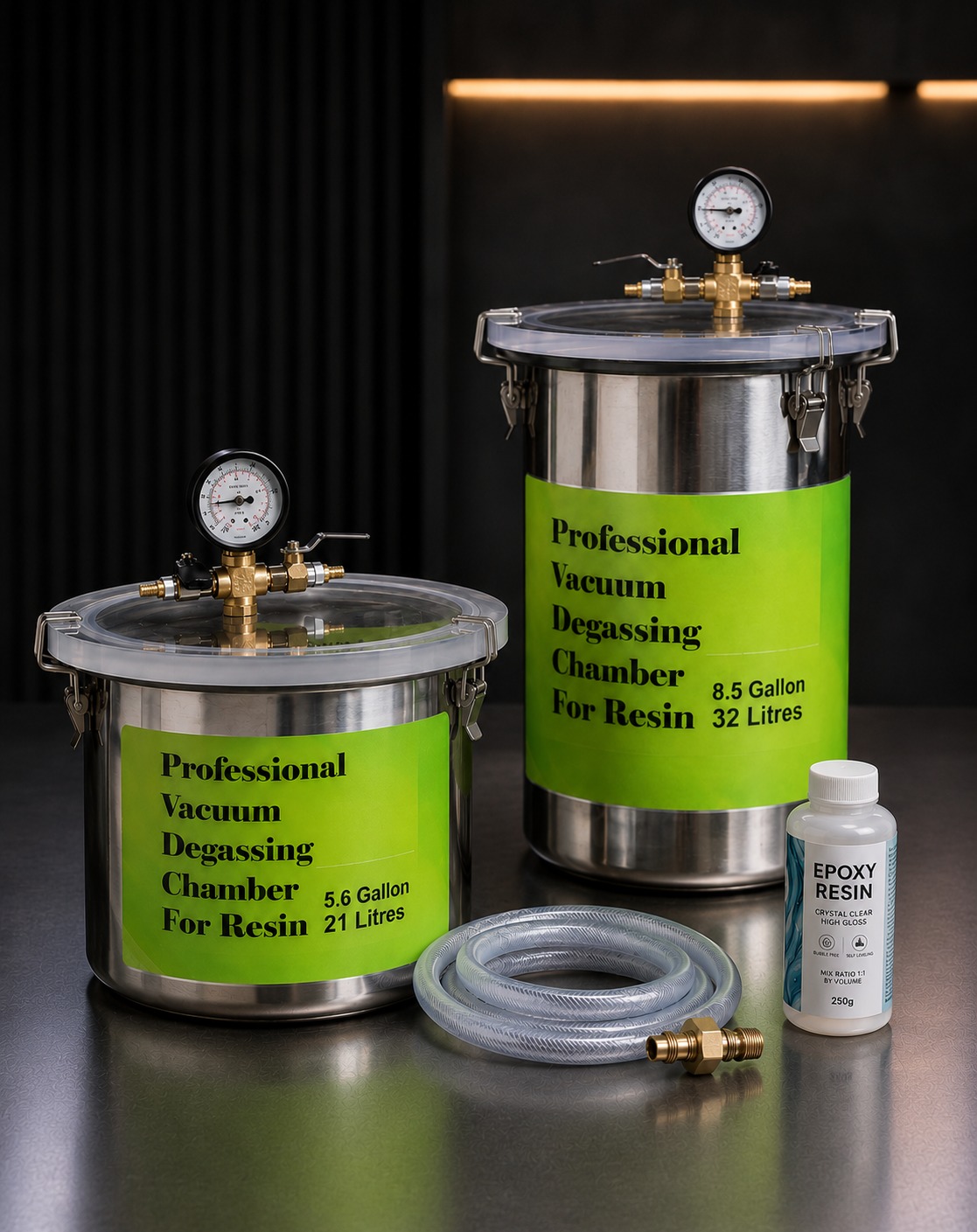
Degassing Stainless Steel Vacuum Degassing Chamber – Burhani Engineering Technology

Stainless Steel Vacuum Degassing Chamber

Heavy-Duty Degassing Solution

Degassing Acrylic Vacuum Chamber – Cylinder – Burhani Engineering Technology

Acrylic Vacuum Chamber – Cylinder

Transparent Cylindrical Degassing

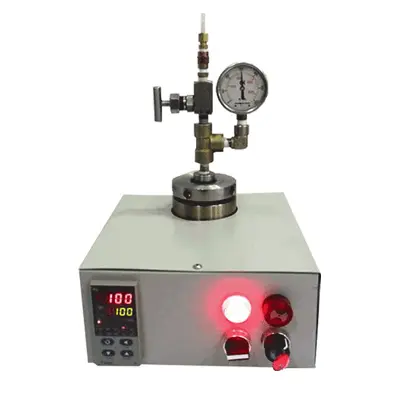
Heated Heated Vacuum Chamber / Oven – Burhani Engineering Technology

Heated Vacuum Chamber / Oven

Temperature-Controlled Degassing

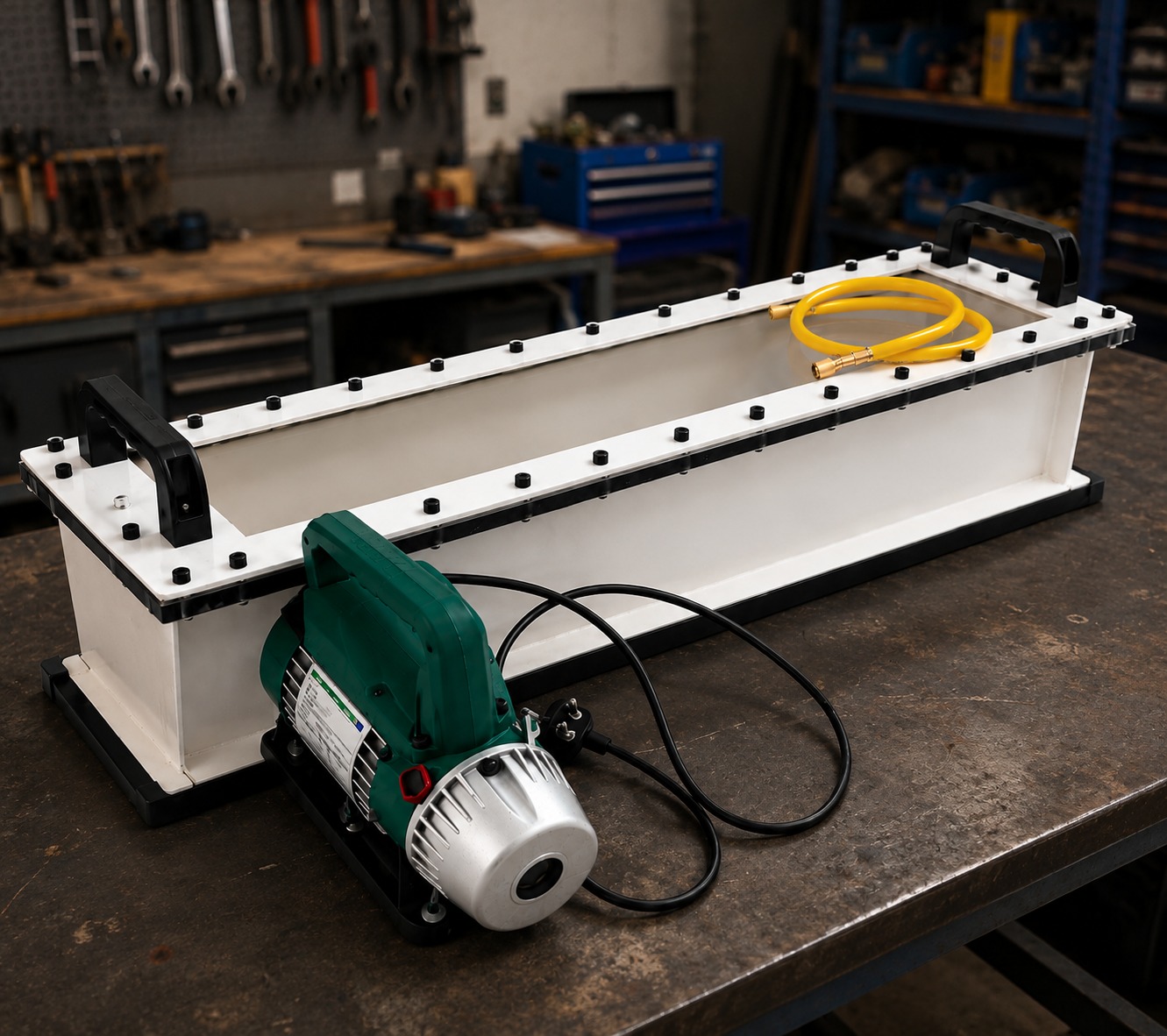
Weld Testing Flat Bottom Vacuum Box – Butt Weld Testing – Burhani Engineering Technology

Flat Bottom Vacuum Box – Butt Weld Testing

NDT Weld Integrity Inspection

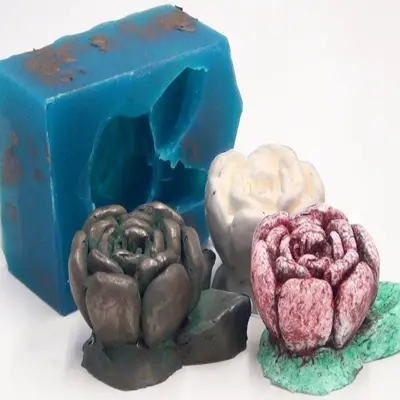
Silicone Liquid Silicone Rubber – Clay Mold Making – Burhani Engineering Technology

Liquid Silicone Rubber – Clay Mold Making

Degassing for Silicone Applications

Specialty Gem Stone Oiling & Crack Filling Machine – Burhani Engineering Technology

Gem Stone Oiling & Crack Filling Machine

Vacuum Impregnation System

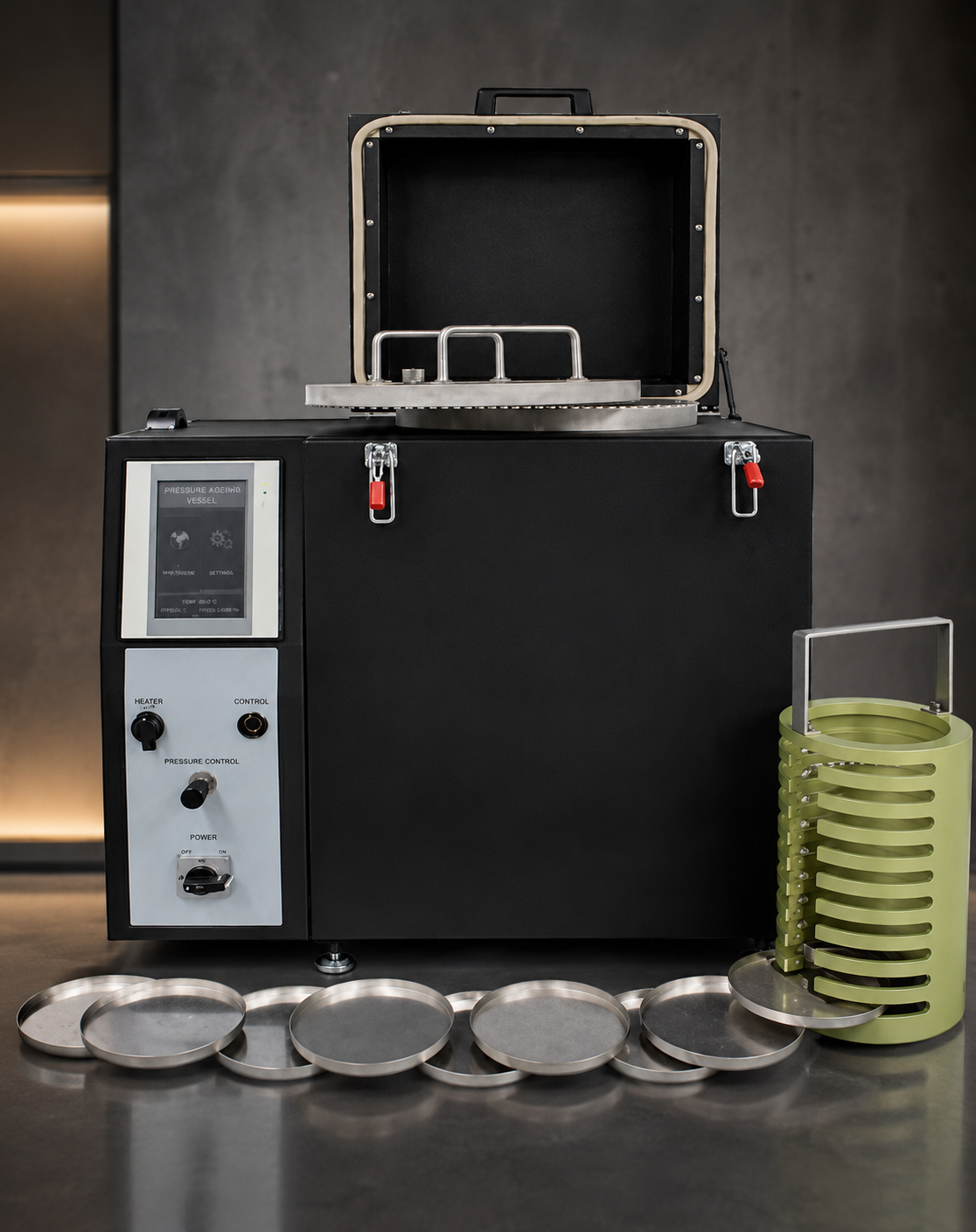
Asphalt Testing ATS Pressure Aging Vessel – Burhani Engineering Technology

ATS Pressure Aging Vessel

Asphalt Binder Long-Term Aging

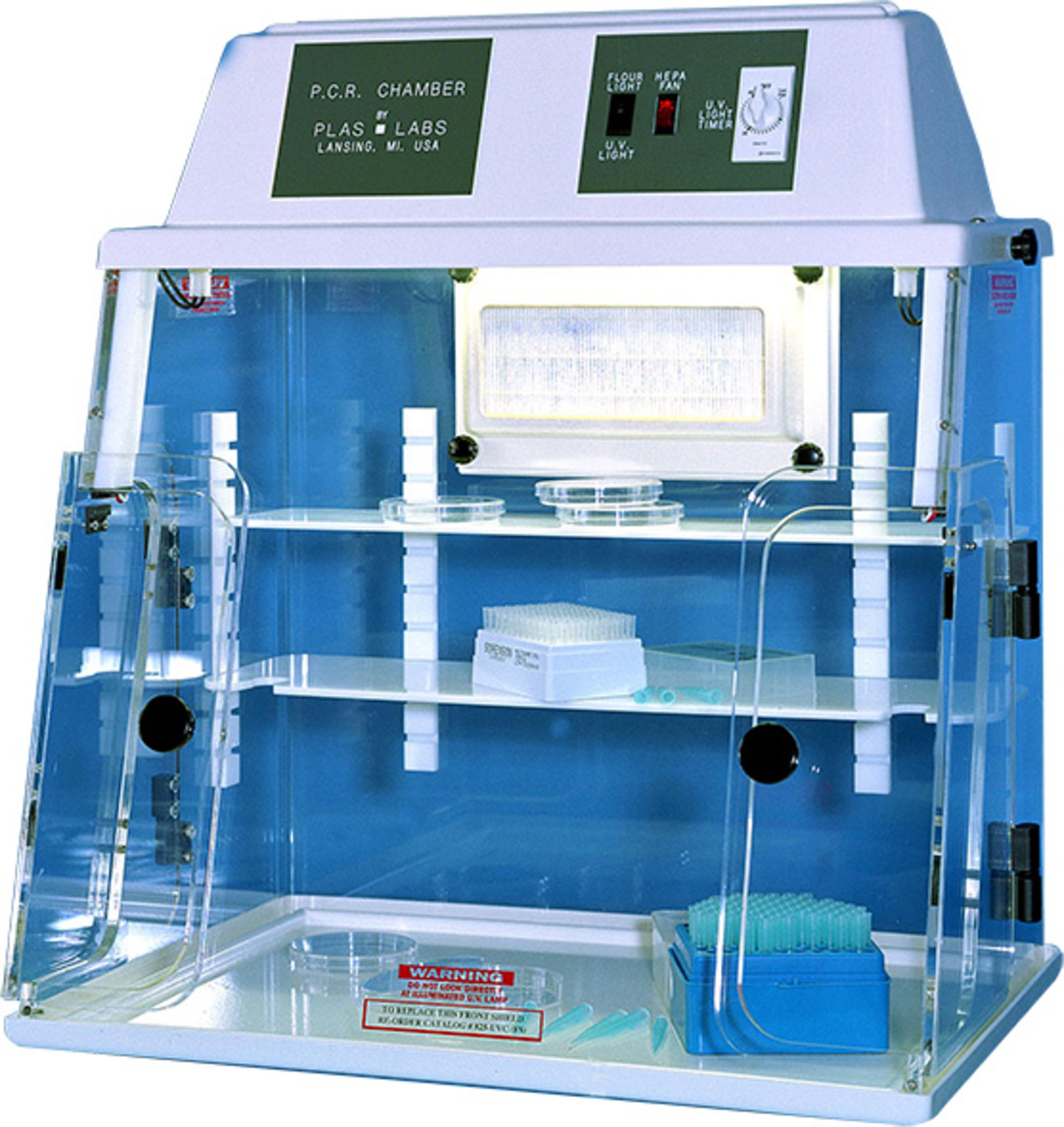
Laboratory PCR Chambers – Burhani Engineering Technology

PCR Chambers

Sterile Contamination-Free Environment

Talk to Our Engineering Experts

Have questions about our products or need a custom solution? Our technical team is ready to help you find the right equipment for your application.

Our Address Thirupthi Nagar, Chettimedu Village,
Vadaperumbakkam, Chennai,
Tamil Nadu 600060, India
Working Hours Monday – Saturday: 9:00 AM – 5:00 PM IST

Send Us an Enquiry

We typically respond within 1 business day.

βœ… Your enquiry has been sent! We'll get back to you shortly.