Vacuum Glove Box Price Guide

Budgeting, Cost Drivers, and Total Cost of Ownership for Controlled Atmosphere Systems

Industrial Budgeting & Cost Driver Breakdown

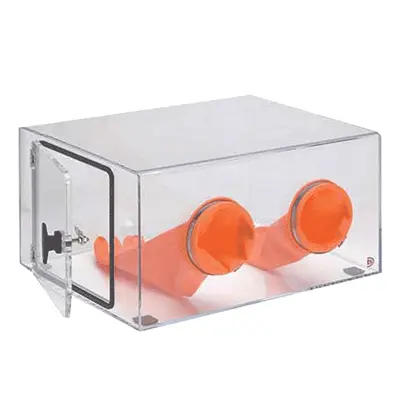
When evaluating vacuum glove boxes for research or production, understanding the pricing structure is essential for budget approval. Glove box costs vary widely based on size, construction materials, integration requirements, purification systems, and automation levels. A simple acrylic purge chamber is priced vastly differently from a multi-port stainless steel glove box with dynamic gas purification and integrated high-vacuum thermal deposition systems.

This Vacuum Glove Box Price Guide highlights key drivers of purchase cost and long-term operating expenses. We break down the capital costs, installation requirements, customization options, and recurring maintenance expenses. By analyzing these components, you can budget accurately and select the optimal configuration for your application without over-specifying or compromising on safety.

Burhani Engineering Technology provides customized pricing sheets for our standard and engineered models. Let's explore the financial variables that shape these industrial proposals.
The Core Cost Drivers of Glove Box Procurement

Three primary factors dictate the capital cost of a vacuum glove box system:

1. Construction Materials

Acrylic (PMMA) represents the entry-level price point. However, clear acrylic cannot handle deep vacuum stress. Stainless Steel (SS304/SS316L) bodies require advanced structural engineering and welding, increasing the initial price but offering superior durability, vacuum capability, and chemical compatibility.

2. Gas Purification Loop

Purge-only chambers are inexpensive initially, but consume high volumes of gas. Active Gas Purification loops (copper catalyst, molecular sieves, recirculating blower, and sensors) represent a larger upfront investment but pay for themselves in gas savings within 1–2 years.

3. Automation & PLC Integration

Manual purge systems using mechanical ball valves are cost-effective but prone to operator error. Fully automated PLC-controlled systems with touch screens manage pressure levels, purge cycles, and catalyst column regeneration cycles automatically, reducing risk and gas waste.

Customization Options and Installation Planning

Standard glove box models serve as templates. Most research labs and semiconductor companies require customization to fit their workflows:

  • Tool Integrations: Integrating spin coaters, vacuum ovens, or PVD evaporators requires custom flanges, seals, and structural support, which add to the purchase cost.
  • Specialized Feedthroughs: Power, high-frequency, fluidic, or fiber-optic feedthroughs require specialized hermetic connectors to prevent atmospheric leakage.
  • Antechamber Size: Upgrading from standard cylindrical antechambers to custom square boxes or automated sliding trays increases structural complexity.

Installation and Utility Prep: Do not overlook local installation costs. You must prepare inert gas cylinder arrays, external exhaust lines, and reliable single-phase power connections before the system arrives.

Estimated Cost Structure Analysis

While exact prices require a custom quotation based on configuration, the cost distribution typically follows these guidelines:

  • Chamber & Structural Body: 35% of total cost (SS304/SS316L, safety glass windows, and glove ports).
  • Purification System: 30% of total cost (Blower, catalyst column, and control valves).
  • PLC Controls & Sensor Array: 20% of total cost (Oβ‚‚/Hβ‚‚O ppm sensors, PLC controllers, and electrical cabinet).
  • Airlocks & Feedthroughs: 15% of total cost (Standard antechamber, vacuum pump integration, and ports).

Total Cost of Ownership (TCO) & Maintenance Costs

Purchasing a glove box is the first phase; long-term ownership requires budgeting for recurring consumables and maintenance:

1. Glove Replacement

Glove integrity is the most critical safety factor. Standard Butyl or Hypalon gloves must be replaced every 12–24 months due to mechanical wear and polymer aging. Set aside budget for replacements.

2. Sensor Calibration

Oxygen and moisture sensors degrade over time due to exposure to chemicals and solvents. Annual calibration or replacement of sensor elements is required to maintain measurement accuracy.

3. Purification Consumables

Active carbon filters for solvent traps must be replaced regularly based on solvent usage. Copper catalysts and molecular sieves last for years if properly regenerated, but require eventual replacement if poisoned by VOCs.

Get a Detailed Quote

Speak directly with our technical sales team to configure a glove box system and receive a formal price quote tailored to your budget constraints.

Our Product Gallery

Click any product image to explore full specifications, features, and pricing

Leak Testing Bubble Emission Leak Test Chamber – Burhani Engineering Technology

Bubble Emission Leak Test Chamber

ASTM F2096 Internal Pressurization

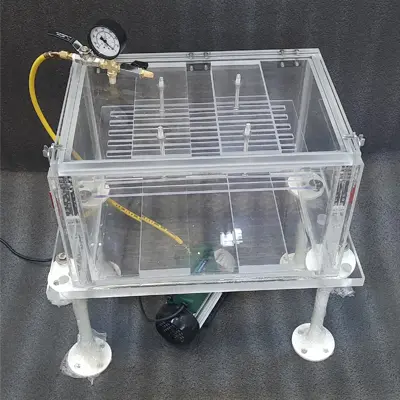
Glove Box Acrylic Vacuum Glove Box – Burhani Engineering Technology

Acrylic Vacuum Glove Box

Inert Atmosphere Workstation

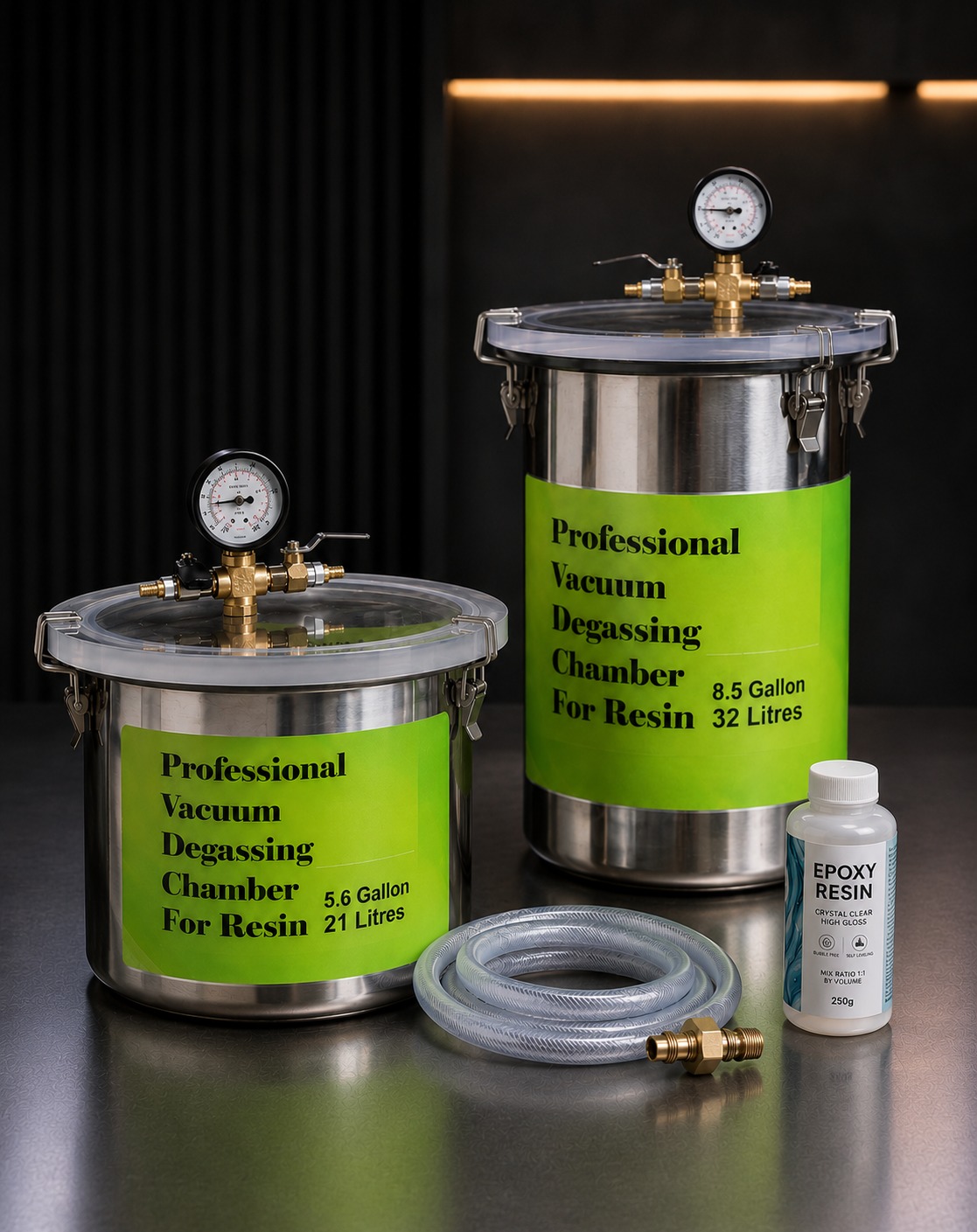
Degassing Stainless Steel Vacuum Degassing Chamber – Burhani Engineering Technology

Stainless Steel Vacuum Degassing Chamber

Heavy-Duty Degassing Solution

Degassing Acrylic Vacuum Chamber – Cylinder – Burhani Engineering Technology

Acrylic Vacuum Chamber – Cylinder

Transparent Cylindrical Degassing

Heated Heated Vacuum Chamber / Oven – Burhani Engineering Technology

Heated Vacuum Chamber / Oven

Temperature-Controlled Degassing

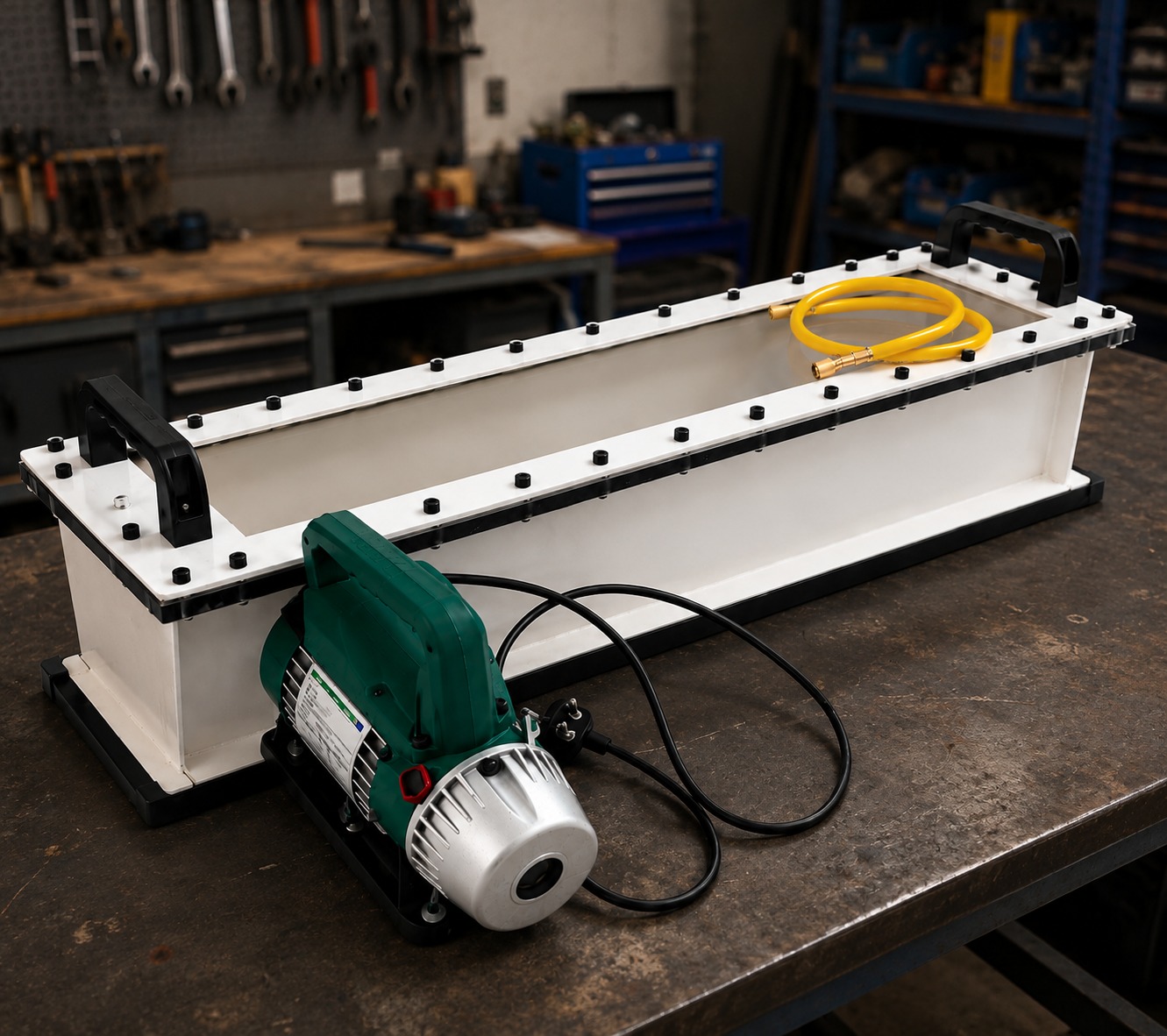
Weld Testing Flat Bottom Vacuum Box – Butt Weld Testing – Burhani Engineering Technology

Flat Bottom Vacuum Box – Butt Weld Testing

NDT Weld Integrity Inspection

Silicone Liquid Silicone Rubber – Clay Mold Making – Burhani Engineering Technology

Liquid Silicone Rubber – Clay Mold Making

Degassing for Silicone Applications

Specialty Gem Stone Oiling & Crack Filling Machine – Burhani Engineering Technology

Gem Stone Oiling & Crack Filling Machine

Vacuum Impregnation System

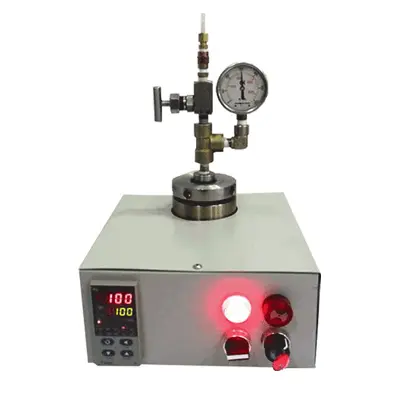
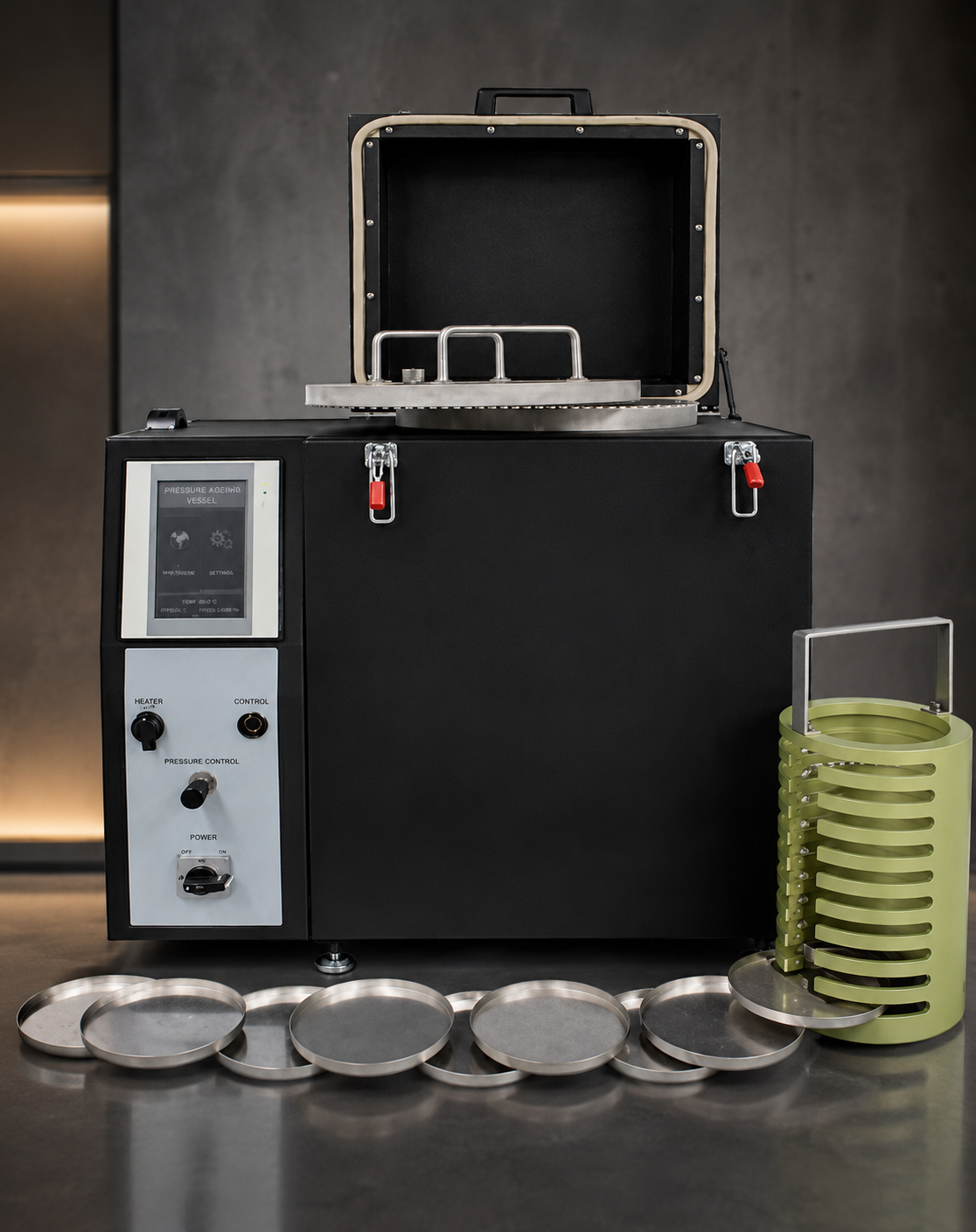
Asphalt Testing ATS Pressure Aging Vessel – Burhani Engineering Technology

ATS Pressure Aging Vessel

Asphalt Binder Long-Term Aging

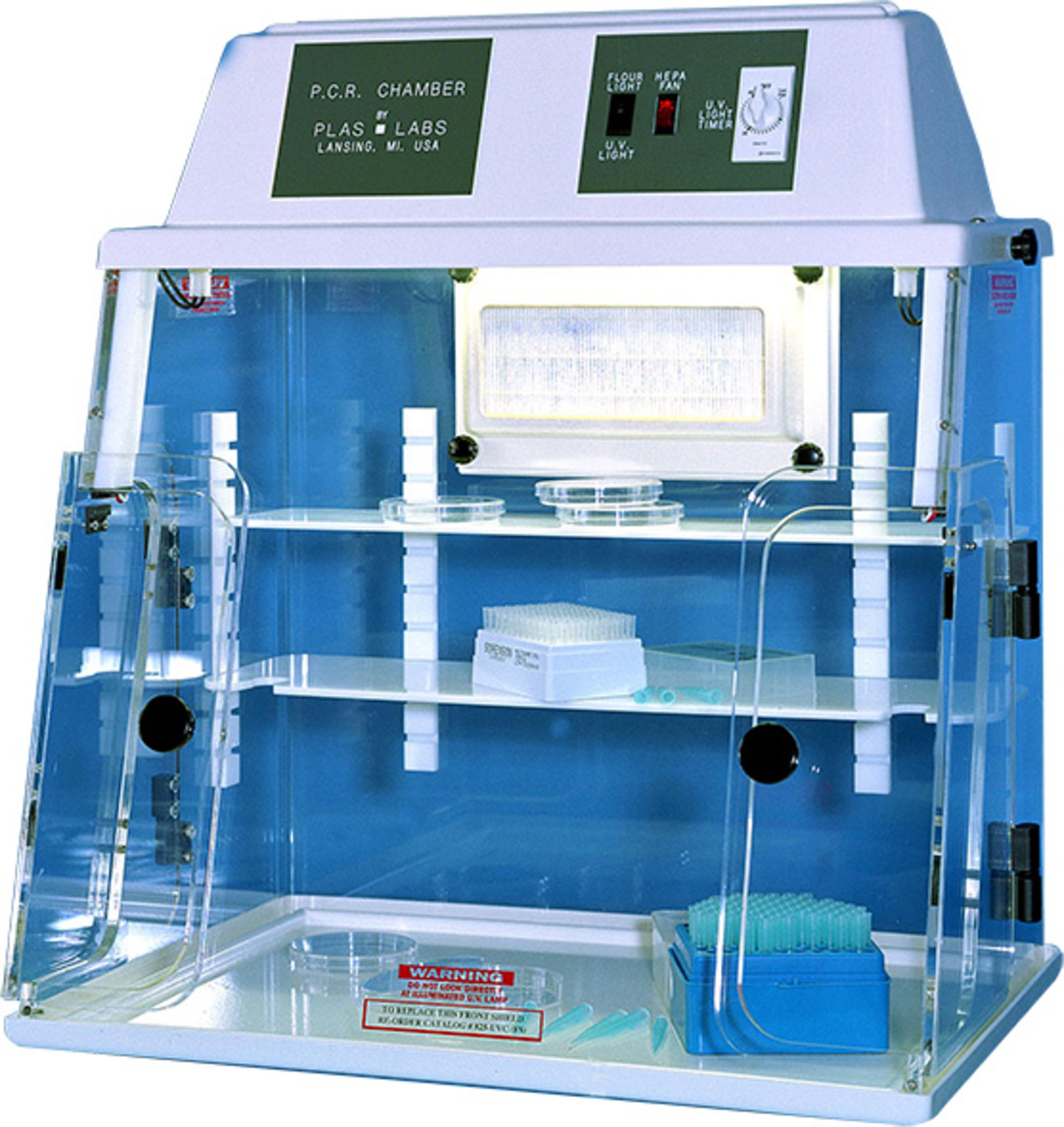
Laboratory PCR Chambers – Burhani Engineering Technology

PCR Chambers

Sterile Contamination-Free Environment

Talk to Our Engineering Experts

Have questions about our products or need a custom solution? Our technical team is ready to help you find the right equipment for your application.

Our Address Thirupthi Nagar, Chettimedu Village,
Vadaperumbakkam, Chennai,
Tamil Nadu 600060, India
Working Hours Monday – Saturday: 9:00 AM – 5:00 PM IST

Send Us an Enquiry

We typically respond within 1 business day.

βœ… Your enquiry has been sent! We'll get back to you shortly.