Pharmaceutical Glove Box Isolator

GMP-Compliant Aseptic Containment Systems for Sterility Testing, HPAPI Synthesis, and API Handling

High-Containment Barriers for Safe Drug Formulation

In the modern pharmaceutical industry, maintaining sterile conditions while protecting operators from highly toxic substances is an absolute regulatory and operational requirement. The handling of Active Pharmaceutical Ingredients (APIs) and Highly Potent APIs (HPAPIs) demands high-performance containment barriers that prevent cross-contamination, protect product integrity, and eliminate worker exposure.

The Pharmaceutical Glove Box Isolator by Burhani Engineering Technology is custom-engineered to meet the strict demands of global Good Manufacturing Practices (GMP). Designed for aseptic processes, sterility testing, compounding, and chemical synthesis, our isolators offer an airtight barrier with customizable negative or positive pressure regimes. By combining HEPA/ULPA air filtration with automated controls, we provide a safe, sterile environment for pharmaceutical formulation.

Whether you are running an R&D laboratory or scaling up to industrial production, our pharmaceutical isolators are built using premium, non-corrosive materials (SS316L) to ensure compatibility with aggressive sanitizing agents and sterilization cycles.
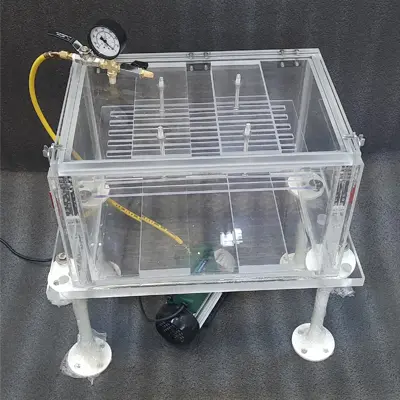
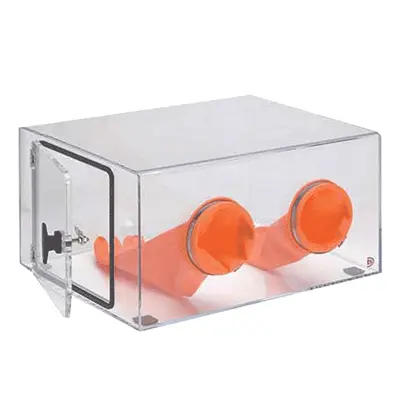
Sterility vs. Toxic Containment: Pressure Dynamics

Pharmaceutical glove box configurations differ fundamentally based on their containment goals: protecting the product or protecting the operator.

Positive Pressure Aseptic Isolators

Designed for product protection. The chamber maintains a positive pressure relative to the laboratory (typically +30 to +60 Pa).

If a seal or glove is breached, the clean internal air rushes outward, preventing contaminants from entering the sterile process zone. This is ideal for injectables, sterile compounding, and final product packaging.

Negative Pressure Toxic Containment

Designed for operator protection. The chamber maintains a negative pressure relative to the room (typically -30 to -60 Pa).

If a glove or seal is breached, room air is drawn inward, preventing hazardous materials, cytotoxic substances, or toxic API powders from escaping into the operator's workspace.

Applications in Aseptic Handling & Synthesis

Providing precision isolation solutions for clinical and laboratory pharmaceutical manufacturing.

1. HPAPI Containment

Highly Potent Active Pharmaceutical Ingredients (HPAPIs) present extreme toxicity hazards at microgram levels. Our containment systems feature:

  • OEL validation down to < 1 µg/m³ (OEB 5) to protect operators.
  • Safe-change particulate filters (BIBO - Bag-In/Bag-Out) to prevent exposure during maintenance.
  • Integrated continuous liner systems for safe material disposal.

2. Sterility Testing

Sterility testing is a vital quality control step before releasing injectable drug batches to the market:

  • Continuous HEPA-filtered laminar gas flow to keep particle counts below class ISO 5 limits.
  • Sanitization compatibility with Vaporized Hydrogen Peroxide (VHP) generator systems.
  • Rapid transfer ports (RTPs) to import testing media and samples without breaking isolation.

3. API Processing & Weighing

Weighing, dispensing, and micronizing raw API powders require environmental stability and operator protection:

  • Integrated micro-balances mounted on anti-vibration slabs to ensure accuracy to five decimal places.
  • Controlled dry nitrogen gas atmospheres to prevent hygroscopic powders from absorbing moisture.
  • Aseptic wash-down systems (CIP - Clean-in-Place spray guns) to dissolve powder residue prior to opening doors.

GMP Engineering Compliance

Pharmaceutical processes require strict validation records to comply with FDA, EMA, and ISO regulations. A standard glove box lacks the sanitary weld finishes, drainage ports, and documentation packages required for these audits.

BET Pharmaceutical Engineering: Our isolators are fabricated with mirror-polished Stainless Steel SS316L (internal surface roughness Ra < 0.4 µm) with crevice-free radius corners to prevent microbial growth.

We supply a complete documentation package, including Installation Qualification (IQ), Operational Qualification (OQ), FAT/SAT logs, and materials certifications, ensuring a smooth path to regulatory validation.

Isolator Compliance Design Features
  • Sanitization Portals: Dual validation ports enable standard connection to mobile bio-decontamination systems (VHP/VHP generators).
  • RTP System Compatibility: Interface flange patterns accommodate standard double-door transfer ports (RTPs) from leading manufacturers.
  • Glove Port Verification: Semi-automated leak-testing caps are available to test glove integrity under positive pressure before batch processing begins.

Technical Isolator Specifications

Compare standard aseptic and high-containment configurations.

Technical Parameter Aseptic Positive Pressure Model HPAPI Negative Containment Model
Internal Material SS316L (Ra < 0.4 µm, mirror polished) SS316L (Ra < 0.4 µm, mirror polished)
Pressure Control +30 to +60 Pa (Dynamic adjust) -30 to -60 Pa (Dynamic adjust)
Air Filtration Laminar HEPA H14 recirculating flow Dual H14 HEPA filters with safe Bag-In/Bag-Out
OEL containment rating N/A (Product protection focused) OEB 5 (< 1 µg/m³ OEL)
Sterilization Agent VHP / Hydrogen Peroxide gas compatible VHP / IPA wash-down compatible
Glass Window 12mm Tempered Safety Glass 12mm Tempered Safety Glass with chemical laminate
Documentation Package Full IQ/OQ templates, weld logs Full IQ/OQ templates, pressure decay certs

Frequently Asked Questions

Technical answers to common questions about pharmaceutical containment isolators.

A pharmaceutical isolator is engineered to meet strict GMP standards, incorporating HEPA/ULPA filtration, sanitization capabilities (such as Vaporized Hydrogen Peroxide - VHP compatibility), and containment pressure regimes designed to prevent micro-contamination of drugs or protect operators from hazardous compounds.

Highly Potent Active Pharmaceutical Ingredients (HPAPIs) require containment down to Nanogram levels. BET isolators are validated using surrogate powder testing to achieve Occupational Exposure Limits (OEL) of less than 1 µg/m³ (OEB 5 classification).

Yes. Our pharmaceutical glove box isolators are constructed using mirror-polished SS316L stainless steel and tempered safety glass or specialized polymer windows that resist chemical degradation from VHP sterilization cycles.

A Bag-In/Bag-Out filter housing allows operators to replace toxic-saturated HEPA filters without exposing the laboratory or maintenance staff to hazardous residues. The filter is pulled into a sealed PVC bag, heat-sealed, and disposed of safely.

Our automated PLC systems include electronic signature logging, multi-level user login controls, and non-modifiable audit trail logs for pressure and purity parameters, fulfilling the requirements of FDA 21 CFR Part 11 for electronic records.

Ensure Sterile Process Integrity

Consult with our GMP compliance containment engineers to design a custom Pharmaceutical Glove Box Isolator matching your clinical process needs.

Our Product Gallery

Click any product image to explore full specifications, features, and pricing

Leak Testing Bubble Emission Leak Test Chamber – Burhani Engineering Technology

Bubble Emission Leak Test Chamber

ASTM F2096 Internal Pressurization

Glove Box Acrylic Vacuum Glove Box – Burhani Engineering Technology

Acrylic Vacuum Glove Box

Inert Atmosphere Workstation

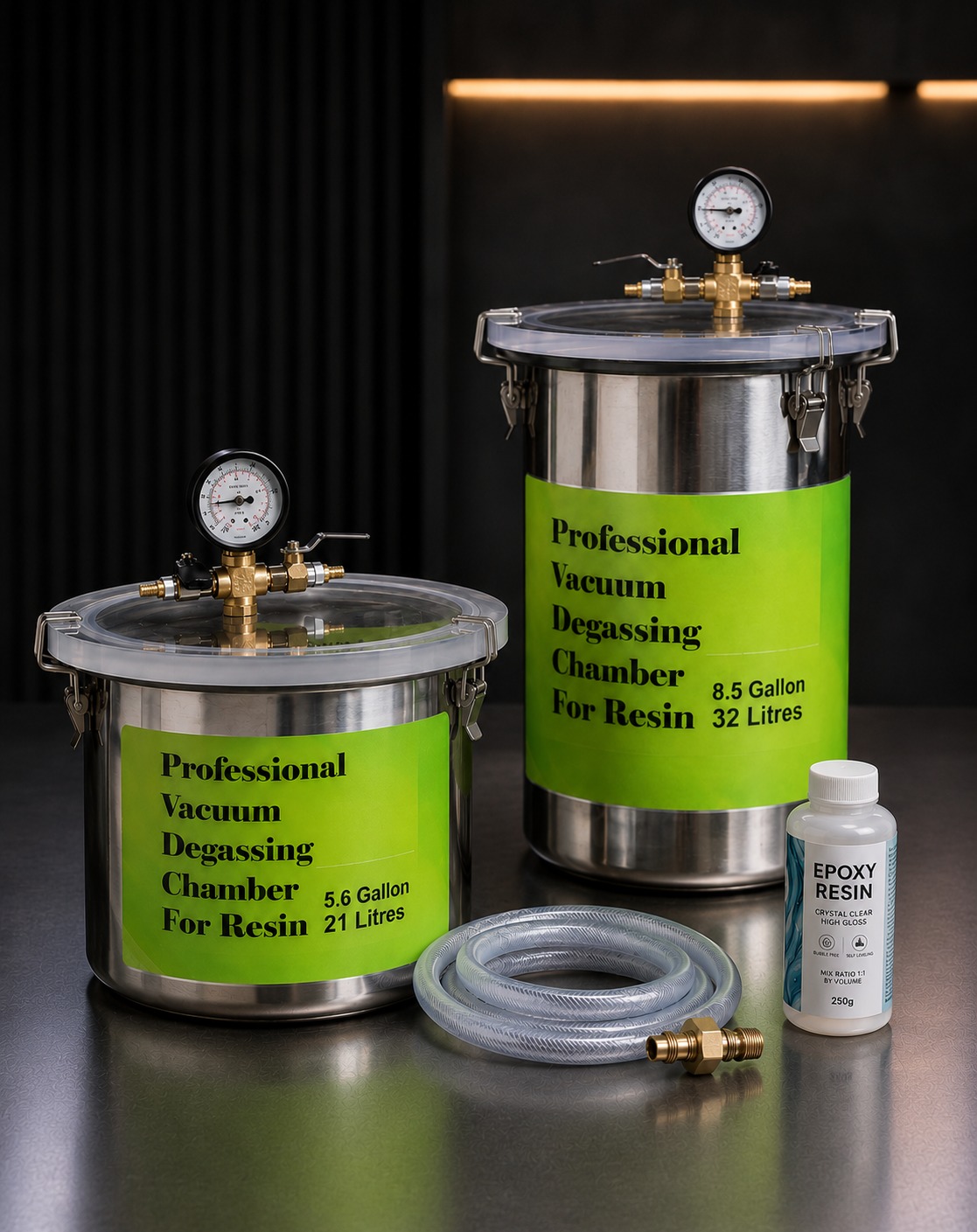
Degassing Stainless Steel Vacuum Degassing Chamber – Burhani Engineering Technology

Stainless Steel Vacuum Degassing Chamber

Heavy-Duty Degassing Solution

Degassing Acrylic Vacuum Chamber – Cylinder – Burhani Engineering Technology

Acrylic Vacuum Chamber – Cylinder

Transparent Cylindrical Degassing

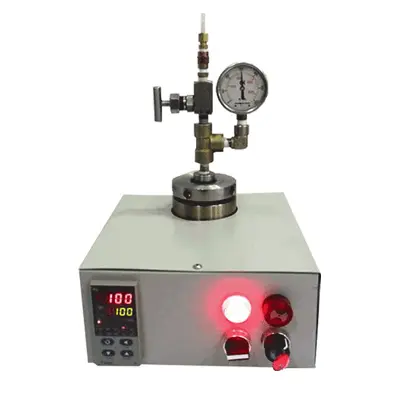
Heated Heated Vacuum Chamber / Oven – Burhani Engineering Technology

Heated Vacuum Chamber / Oven

Temperature-Controlled Degassing

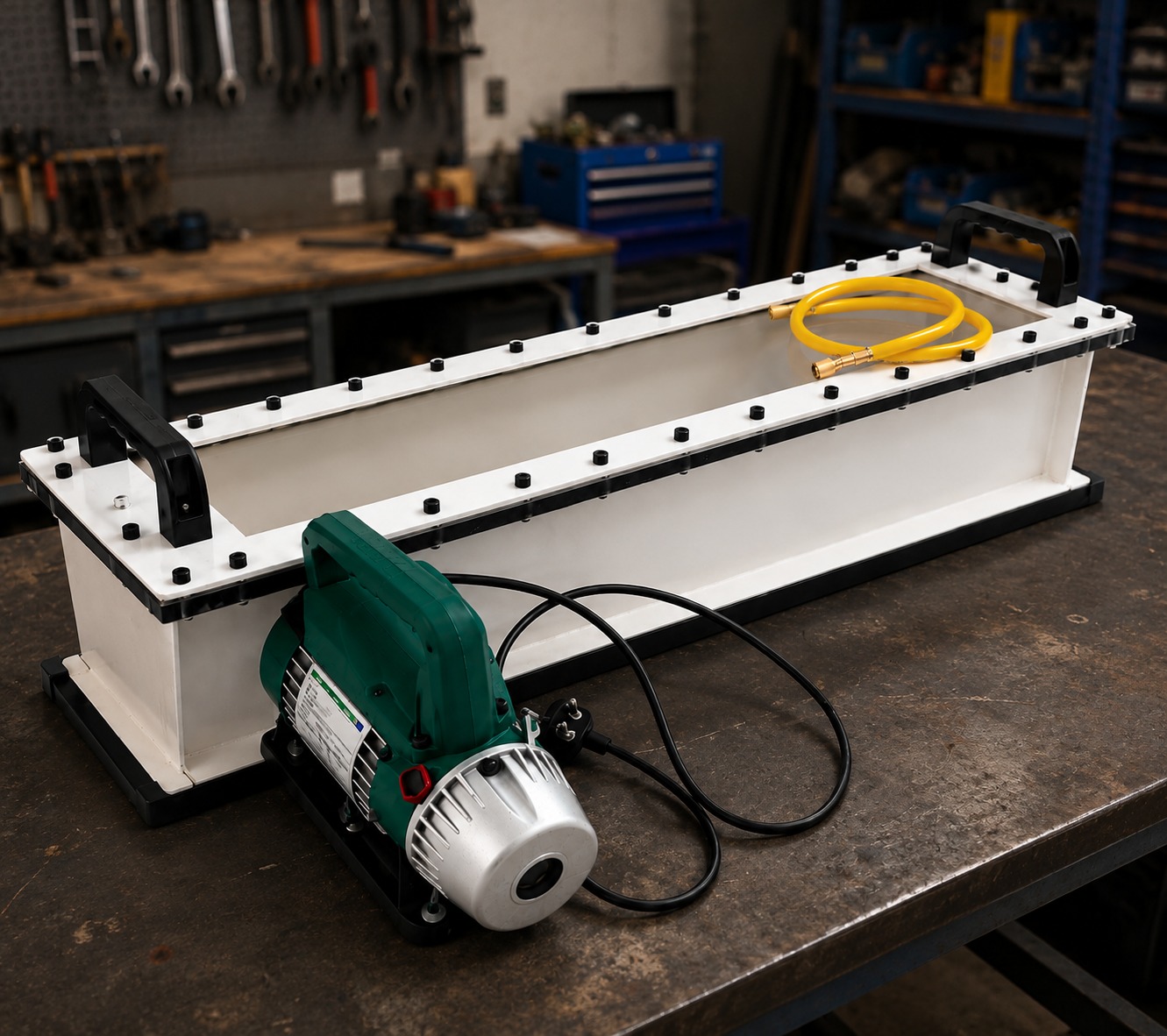
Weld Testing Flat Bottom Vacuum Box – Butt Weld Testing – Burhani Engineering Technology

Flat Bottom Vacuum Box – Butt Weld Testing

NDT Weld Integrity Inspection

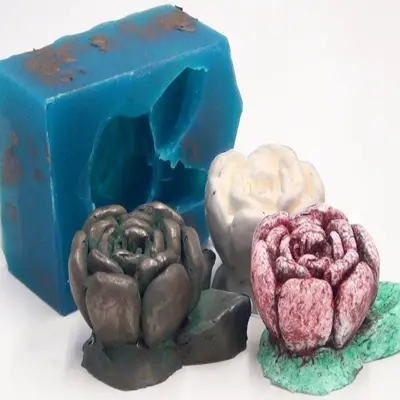
Silicone Liquid Silicone Rubber – Clay Mold Making – Burhani Engineering Technology

Liquid Silicone Rubber – Clay Mold Making

Degassing for Silicone Applications

Specialty Gem Stone Oiling & Crack Filling Machine – Burhani Engineering Technology

Gem Stone Oiling & Crack Filling Machine

Vacuum Impregnation System

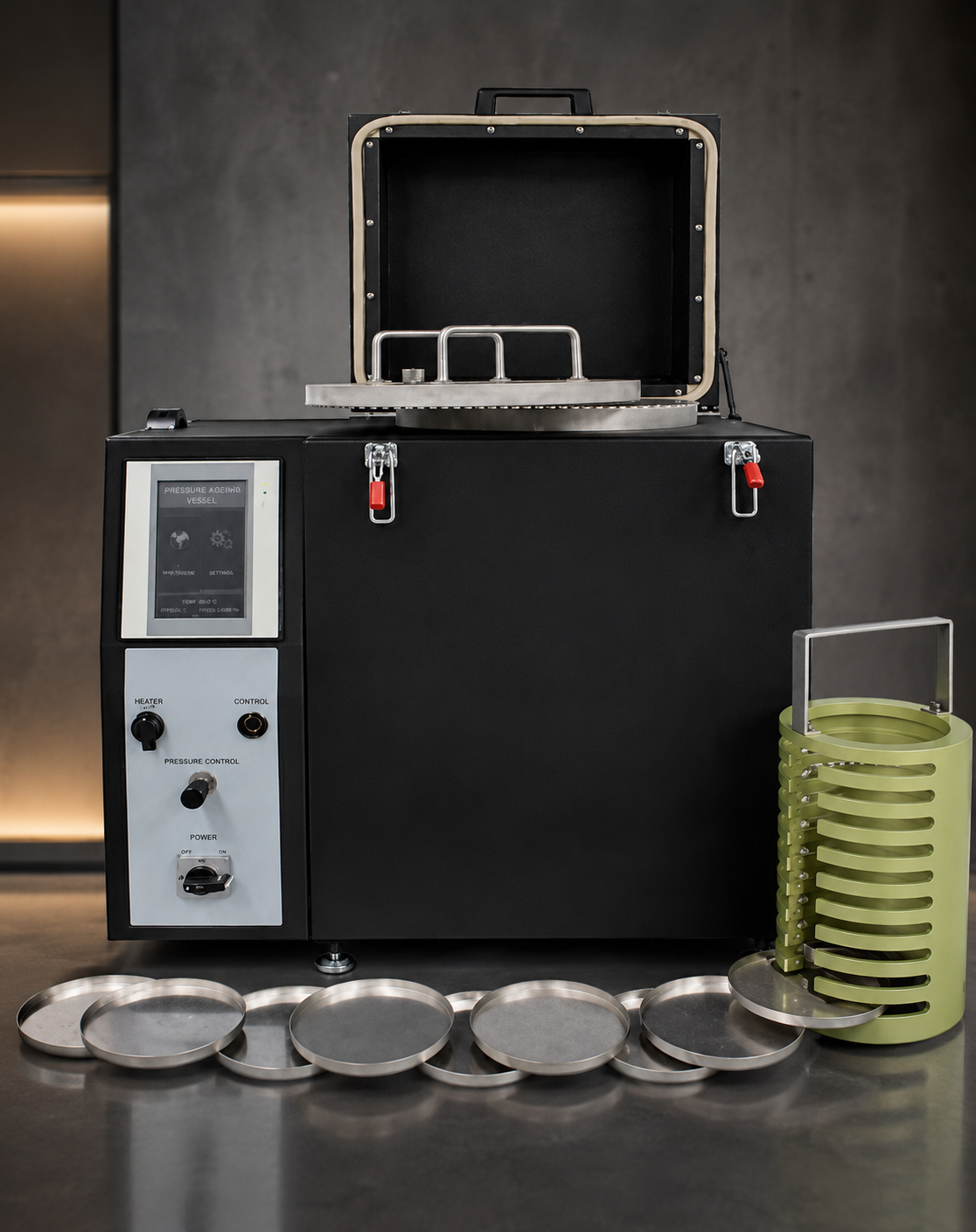
Asphalt Testing ATS Pressure Aging Vessel – Burhani Engineering Technology

ATS Pressure Aging Vessel

Asphalt Binder Long-Term Aging

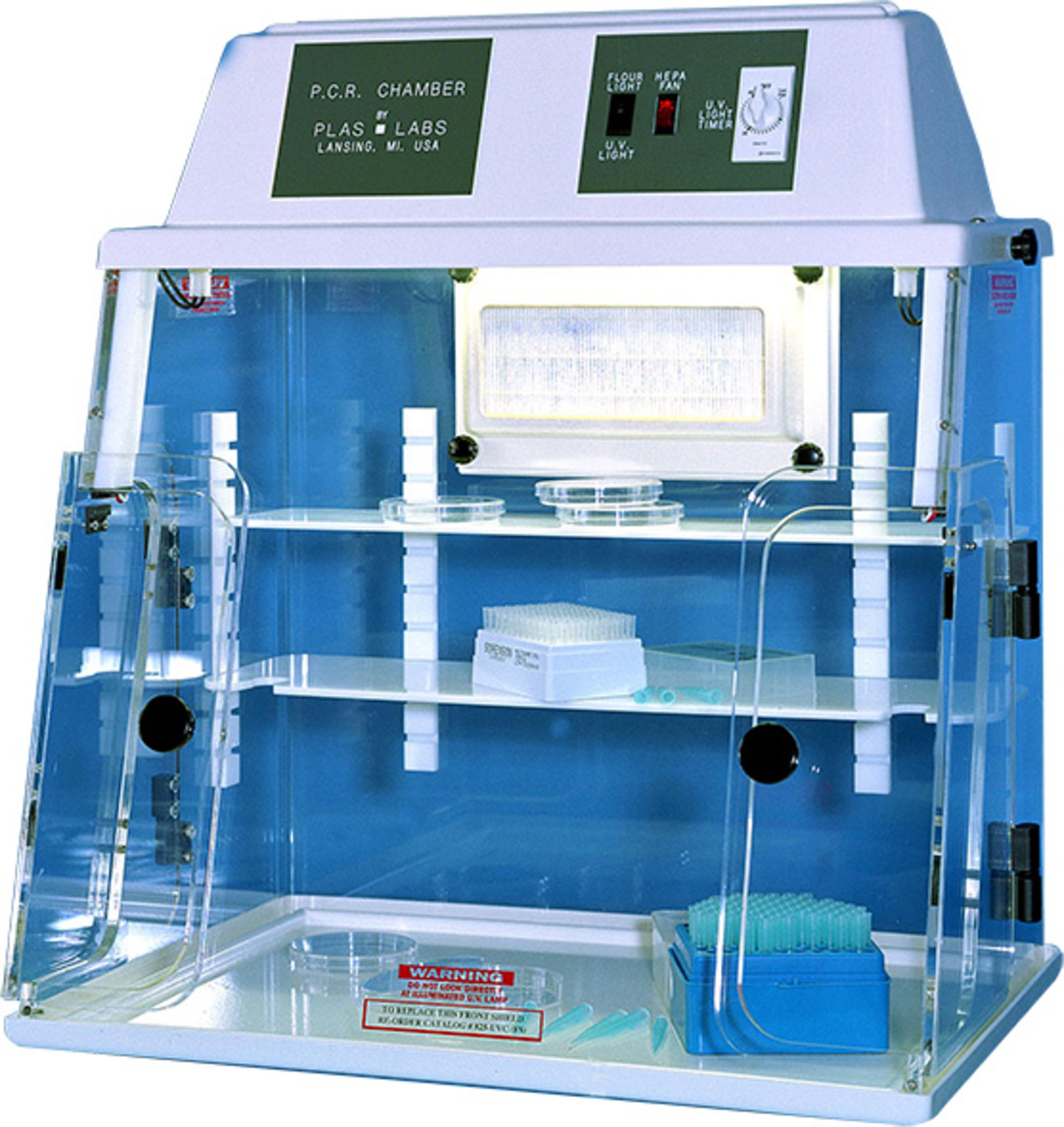
Laboratory PCR Chambers – Burhani Engineering Technology

PCR Chambers

Sterile Contamination-Free Environment

Talk to Our Engineering Experts

Have questions about our products or need a custom solution? Our technical team is ready to help you find the right equipment for your application.

Our Address Thirupthi Nagar, Chettimedu Village,
Vadaperumbakkam, Chennai,
Tamil Nadu 600060, India
Working Hours Monday – Saturday: 9:00 AM – 5:00 PM IST

Send Us an Enquiry

We typically respond within 1 business day.

✅ Your enquiry has been sent! We'll get back to you shortly.